Author: johnliza828@gmail.com

  • All the Fall 2026 Men’s Trends: From Cortina-Ready Sweaters to Paul Poiret–isms to Prep 3.0

    All the Fall 2026 Men’s Trends: From Cortina-Ready Sweaters to Paul Poiret–isms to Prep 3.0

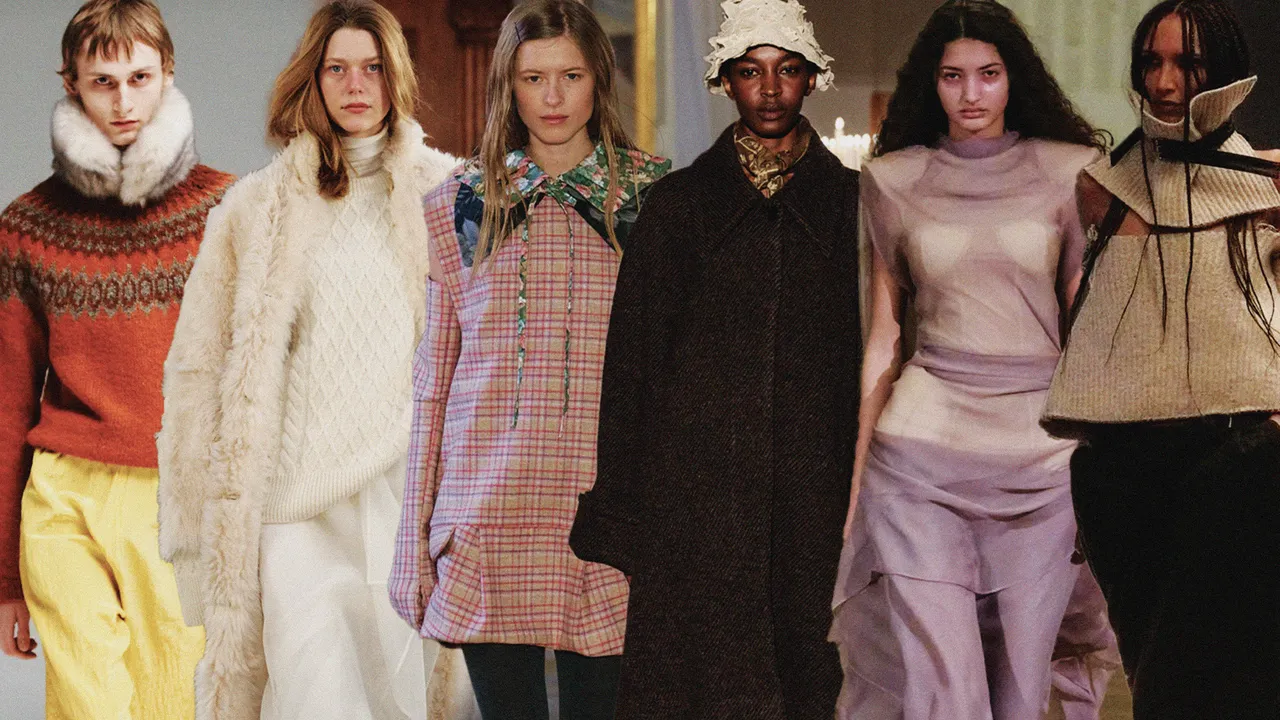
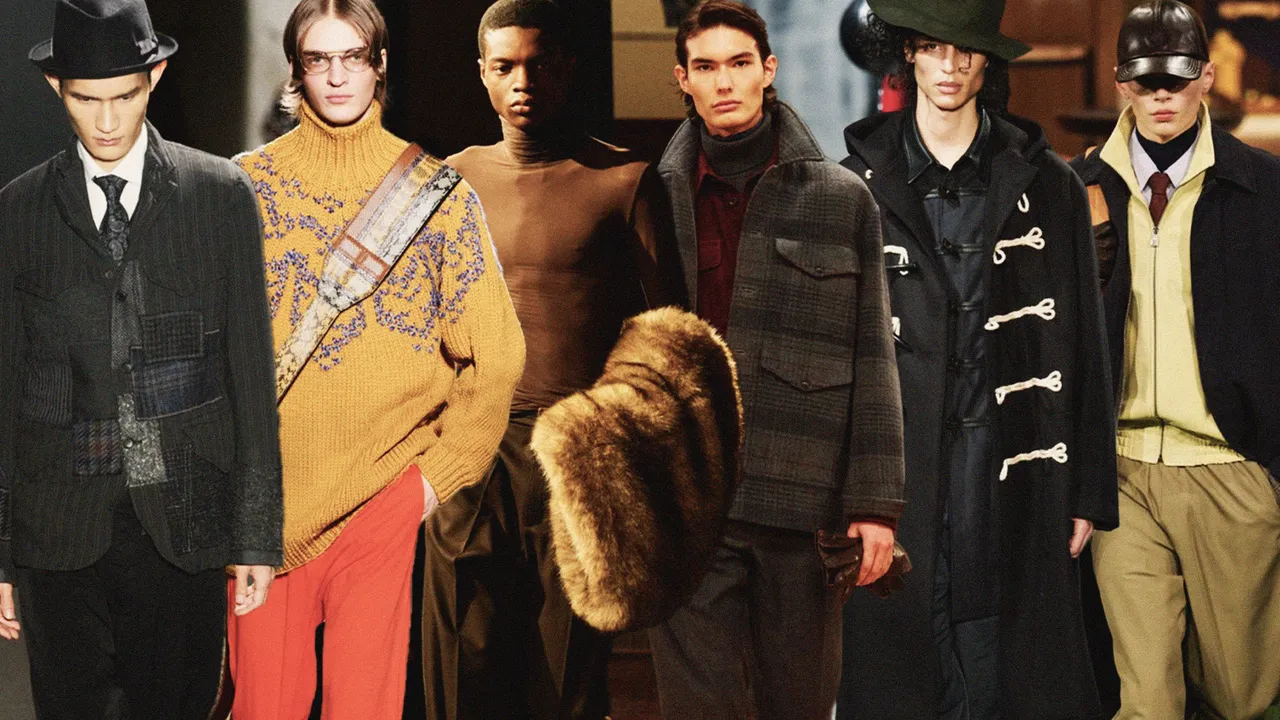
    I still get a little thrill every time fashion month rolls around, and this year’s Fall 2026 menswear shows in Milan and Paris felt like a proper reset button. After seasons of oversized everything and quiet-luxury minimalism, designers leaned into personality, texture, and a touch of historical mischief. The runways weren’t just clothes—they were stories. One minute you’re channeling an Olympic skier, the next you’re draped in Paul Poiret-level opulence or updating your old prep uniform with fresh attitude. I’ve spent the last few weeks pulling together my own wardrobe edits based on what I saw, and trust me, these trends actually translate to real life. No runway fantasy here—just pieces you’ll reach for when the temperature drops and you want to look sharp without trying too hard.

    Cortina-Ready Sweaters: Olympic Warmth Meets Everyday Style

    The 2026 Winter Olympics in Milano Cortina put alpine-inspired knits front and center, and designers answered with sweaters that feel both technical and timeless. These aren’t your basic crewnecks—they’re patterned, thick, and built for layering whether you’re hitting the slopes or just the office.

    I tested a similar Norwegian-style piece last winter in the Dolomites, and the way it held up against wind and still looked polished under a blazer sold me completely. The heritage wool keeps you genuinely warm without bulk, and the fair-isle or cable details add just enough visual interest to turn heads.

    • Pair a navy-and-cream Cortina knit with slim dark jeans and suede chelsea boots for an effortless après-ski vibe that works in the city.
    • Layer it under a toggle coat for that soft-academia touch designers loved this season.
    • Opt for quarter-zip versions if you want versatility—easy to unzip when the bar heats up.

    Why the Cortina Trend Feels So Right for Fall 2026

    The Olympics timing isn’t coincidence; it tapped into a broader desire for purposeful, performance-driven pieces that still scream style. Brands like Dale of Norway even released official Team Norway Cortina 2026 sweaters, proving the trend has real-world roots beyond the runway.

    You’ll find similar pieces at heritage labels and newer streetwear crossovers, making it accessible whether your budget leans luxury or practical.

    Paul Poiret–isms: Luxurious Prints and Feminine Fabrics for Men

    Paul Poiret, the early-20th-century couturier famous for freeing women from corsets and embracing exotic prints, became an unlikely muse this season. Jonathan Anderson at Dior Men and Julian Klausner at Dries Van Noten ran with jacquards, cut velvets, and rich patterned textiles usually reserved for womenswear. Menswear finally borrowed the playbook and made it feel powerful instead of precious.

    I wore a vintage Poiret-inspired silk scarf last fall and got more compliments than on any tailored jacket. There’s an emotional lift that comes with these opulent fabrics—they make you stand a little taller.

    The key is balance: pair a printed velvet shirt with matte tailoring so the luxe doesn’t overwhelm. Think deep jewel tones or subtle florals against crisp neutrals.

    Breaking Down Poiret–isms in Modern Menswear

    Designers used these materials to blur lines without losing masculinity. A jacquard bomber or cut-velvet trouser adds depth and story to otherwise straightforward silhouettes. It’s not costume—it’s confidence.

    Where to shop? Look for limited-edition collabs from Dior Men or Dries Van Noten archives, or more affordable takes at brands like Etro that have always played in this space.

    Prep 3.0: The Updated Preppy Look That Actually Feels Fresh

    Prep isn’t dead—it just evolved. Fall 2026’s version mixes classic codes with sporty insouciance and a nod to 1980s club culture via Jean-Michel Basquiat’s influence. Corduroy, toggle coats, and reimagined rugby shirts replace stiff oxfords and khakis.

    I grew up in New England with the original prep uniform, and watching it get a rebellious remix this season felt like coming home with better music. The toggle coat I picked up already survived two rainy commutes and still looked crisp.

    Prep VersionKey PiecesVibeBest For
    Prep 1.0Button-down, khakis, loafersClean-cut, traditionalOffice traditionalists
    Prep 2.0Oversized blazer, sneakersQuiet luxuryMinimalism fans
    Prep 3.0Corduroy, toggle coat, printed foulardSporty, artistic, playfulGuys who want personality

    Styling Prep 3.0 Without Looking Like a Costume

    Start with one hero piece—like a wide-wale corduroy jacket—and ground it in modern basics. Add a printed foulard as a neckerchief for that Basquiat edge. It’s versatile enough for weekends or upgraded Fridays.

    Pros: Instantly recognizable yet updated; works across body types.
    Cons: Can tip into costume if you overdo the logos or colors—keep it tonal.

    Tickled Pink: The Rosé-All-Day Movement Continues

    Post “J.Crewgate,” pink refused to fade. Designers from Prada to Louis Vuitton embraced it in sweaters, shirts, and even full suits. It’s not novelty anymore—it’s a statement of ease.

    My own pink cashmere crewneck from last season gets pulled out more than any black piece. There’s something disarming and approachable about it that cuts through seasonal gloom.

    Style it with charcoal tailoring or raw denim for contrast that feels intentional rather than loud.

    Into the Dark: Masked Looks and Matrix Coats for a Moody Season

    With global uncertainty in the air, runways showed face coverings, undertaker blacks, and elongated “Matrix” coats. Comme des Garçons and Rick Owens led the charge, turning protection into poetry.

    It’s heavy, sure, but there’s comfort in the drama. I layered a long black coat over a simple knit during a recent cold snap and felt armored yet stylish.

    Pair with slim tailoring underneath to keep the silhouette modern rather than gothic.

    All That Jazz: Clean ’60s Tailoring for Effortless Cool

    Theory’s Martin Andersson name-checked Chet Baker, and the clean suiting across Junya Watanabe and others delivered smooth, narrow-lapel jackets and pleated trousers that feel like a breath of fresh air.

    This tailoring isn’t stiff—it moves with you. I tried a similar soft-shouldered jacket and instantly understood why it photographs so well.

    Material Concerns and Bits of Fluff: Texture Takes Center Stage

    Beyond prints, tactile elements like faux fur at neck and wrists (Dries Van Noten vibes) and plush knits added warmth and luxury. These small details elevate basics without extra effort.

    Put It in Print: Foulards and Scarf Dressing Reimagined

    Printed foulards appeared as neckwear or even head wraps, crossing gender lines with ease. It’s the perfect accessory to tie any look together.

    Knitwear Revival: Quarter-Zips, Cardigans, and Vintage Vibes

    Chunky cable knits, fair-isle patterns, and plush cardigans dominated. Future-vintage feels—think grandpa’s sweater but cut sharper.

    Checked Patterns and Spiced Reds: Heritage with Heat

    Plaid jackets, Prince of Wales suiting, and warm terracotta reds brought structure and energy. Herringbone and checks modernized in tonal palettes.

    Slim Silhouettes Return: Fitted Overcoats and Tailoring

    After years of volume, sharper fits and skinny ties signaled a return to body-conscious dressing. Prada and Dior showed how flattering it can be when done right.

    Rock Style and Utility Makeovers

    Tracksuits got elevated, leather jackets turned grungy-flannel friendly, and boiler suits nodded to workwear roots. It’s rebellious yet wearable.

    People Also Ask About Fall 2026 Men’s Trends

    What are the biggest men’s fashion trends for fall 2026?
    Cortina-ready sweaters, Poiret-inspired prints, Prep 3.0 updates, pink accents, and darker moody outerwear top the list, alongside textured knits and slim tailoring.

    How do I wear Prep 3.0 without looking outdated?
    Mix corduroy or toggle coats with modern denim and a foulard scarf. Keep colors tonal and add one sporty element like a rugby shirt.

    Where can I buy Cortina-inspired sweaters?
    Dale of Norway’s official Cortina 2026 collection is a direct hit, while J.Crew, Ralph Lauren, and newer labels like Auralee offer accessible versions.

    What does Paul Poiret influence look like on men today?
    Expect luxurious jacquards, velvets, and rich prints in shirts, bombers, and trousers—layered over classic tailoring for balance.

    Are slim fits really back for fall 2026?
    Yes—expect narrower coats, trousers, and even jeans at Prada and beyond, balanced with softer fabrics so they feel current rather than retro.

    FAQ

    Is Fall 2026 menswear more formal or casual?
    It’s both. Tailoring feels relaxed and modern while knits and utility pieces keep things approachable. The sweet spot is elevated everyday layers.

    Do I need to buy an entire new wardrobe?
    No. Start with one hero piece—a Cortina sweater or printed foulard—and build around what you already own. Small swaps deliver big impact.

    How sustainable are these trends?
    Many brands emphasized heritage wool, recycled jacquards, and longevity. Invest in quality pieces like a good toggle coat or knit that lasts seasons.

    Will these trends work for older guys?
    Absolutely. The ’60s tailoring and plush cardigans flatter mature silhouettes especially well. Focus on fit and texture over trends that feel youthful.

    What’s the easiest trend to try first?
    Pink accents or a quarter-zip knit. Both add personality without requiring a full overhaul and pair with almost anything in your closet.

    Fall 2026 isn’t about following rules—it’s about choosing the character you want to play. Whether you go full Cortina skier, Poiret print enthusiast, or Prep 3.0 rebel, the season rewards men who dress with intention and a smile. I’ve already ordered my first ski sweater and can’t wait to layer it with that velvet shirt I’ve been eyeing. The weather’s turning; your wardrobe should too. Grab one piece that speaks to you and watch how the rest of your outfits fall into place.
  • Should We Be Tracking Our Fashion Air Miles?

    Should We Be Tracking Our Fashion Air Miles?

    A few winters ago, I ripped open a cardboard box from a fast-fashion site and pulled out a soft gray sweater that had traveled farther than I had all year. The label said “Made in Vietnam,” but the shipping sticker screamed urgency—air-freighted for next-day delivery. I felt that familiar rush of excitement, then a quiet pang of guilt. We track food miles on our avocados and carbon scores on our flights. Why not the clothes on our backs? That moment stuck with me, and it turns out the fashion industry is finally asking the same question. With air freight now a bigger slice of the sector’s emissions than ever, tracking “fashion air miles” isn’t just a trendy buzzword—it’s a practical way to see the hidden cost of speed and convenience. Brands like Veja and Reformation have already slashed plane use and proved slower sea routes can work without killing sales. The rest of us? We’re starting to realize our wardrobes have passports too.

    What Exactly Are Fashion Air Miles?

    Fashion air miles measure the distance—and carbon impact—of every garment’s journey from raw fiber to your closet. Think of it as food miles for clothes: cotton grown in India, spun in China, sewn in Bangladesh, then flown to a warehouse in Europe or the U.S. Air freight is the villain here because it’s 20 to 30 times more carbon-intensive than ocean shipping. Fast fashion’s obsession with micro-collections and same-day drops has doubled the share of clothes moved by plane over the last decade, pushing transport from a tiny 3 percent of the industry’s footprint to a much louder number today.

    Why Transport Emissions Suddenly Matter More

    Ultra-fast retailers like Shein and Zara rely on air cargo to keep shelves stocked with fresh drops every week. In 2022 alone, Inditex ran over 1,600 flights just to its Zaragoza hub in Spain. That convenience comes at a steep climate cost: air freight accounts for nearly 6 percent of all shipping emissions despite moving less than 1 percent of tonnage. When you add returns—some items zigzagging 10,000 kilometers round-trip—the miles add up fast.

    How Air Freight Compares to Sea and Rail

    Airplanes burn jet fuel like it’s going out of style, while cargo ships chug along slowly but steadily. Brands that switched to sea freight saw transport emissions drop dramatically. Veja cut its distribution footprint by refusing plane shipments entirely, even telling retailers they’d lose the account if they kept flying stock. The trade-off? Five-week delivery instead of five days. Most customers waited—and kept buying.

    Real-World Impact on Your Wardrobe

    A single pair of jeans can rack up emissions from cross-border trucking, multiple factory hops, and final air delivery that rival a short-haul flight. If you buy 50 new items a year, your personal fashion footprint can equal dozens of car trips or even a transatlantic flight. Second-hand shopping slashes that number instantly because the heavy lifting—production and long-haul transport—has already happened.

    Brands Leading the Low-Air-Mile Charge

    Veja banned air transport after discovering planes caused 95 percent of its distribution emissions in 2019. Transport’s share of the brand’s total footprint fell from 18 percent to 12.8 percent in two years. Reformation hit 26 percent transport emissions in 2023 and responded by opening a European warehouse and pushing sea routes wherever possible. Maggie Marilyn ditched wholesale for direct-to-consumer to control its own slower, cleaner supply chain.

    The Overproduction Trap Fueling Extra Miles

    Fast fashion’s 24+ collections per year mean factories churn out pieces that often sit unsold, then get air-freighted back or to discount outlets. Overproduction doesn’t just waste fabric—it multiplies unnecessary transport legs. Brands that cut collection numbers and improve demand forecasting naturally fly less stuff around the planet.

    Consumer Tools That Actually Help Track Your Impact

    Most of us can’t scan a barcode and see exact air miles yet, but solid apps are closing the gap. ThredUp’s Fashion Footprint Calculator lets you input your buying habits and spits out your annual carbon and waste score in plain English. Greenly’s Climate App Store includes a textile calculator that factors in material, production country, and shipping method. Carbonfact and Vaayu focus on brands but give consumers transparency reports to read before clicking “buy.”

    Where to Shop Low-Air-Mile Fashion Right Now

    Look for brands that publish full supply-chain maps and shipping policies. Reformation, Veja, and Patagonia openly discuss their shift away from planes. EU-based labels like Armedangels and KnowledgeCotton Apparel keep production closer to home, cutting ocean miles too. Vintage and resale sites like Vestiaire Collective or Depop let you buy pre-traveled pieces that need zero new freight.

    Comparison: Fast-Fashion vs. Slow-Fashion Transport Footprint

    AspectFast-Fashion ModelSlow/Sustainable ModelReal Difference
    Primary ShippingAir freight for speedOcean + rail for bulk20–30× lower emissions
    Collection Frequency24+ per year2–4 seasonsFewer unnecessary trips
    Returns HandlingHigh volume, long-distanceLower volume, local warehousesReduced zig-zag mileage
    TransparencyRarely disclosedFull reports publishedEasier to verify low miles
    Consumer Wait TimeSame-day to 3 days1–5 weeksTrade-off for big climate wins

    Pros and Cons of Tracking Your Own Fashion Air Miles

    Pros

    • Makes invisible emissions visible so you can shop smarter
    • Rewards brands that invest in cleaner logistics
    • Pairs perfectly with second-hand and rental habits
    • Builds long-term habits that actually cut your personal footprint

    Cons

    • Data isn’t always available or easy to find
    • Can feel overwhelming if every purchase requires research
    • Some low-mile options cost more upfront
    • Slow shipping tests patience in an instant-gratification world

    People Also Ask: Your Burning Questions About Fashion Air Miles

    What are fashion air miles exactly?
    Fashion air miles track the total distance and carbon emissions created when raw materials, fabrics, and finished garments travel by plane, ship, or truck from farm or factory to your doorstep—similar to food miles but focused on clothing’s global supply chain.

    How much do clothes actually travel by air?
    Fast fashion has doubled air-freighted garments to around 17 percent of total volume in the last decade. A single item can fly thousands of kilometers just to reach a warehouse, and returns often double that distance.

    Can tracking fashion miles really help the planet?
    Yes—when enough consumers choose low-mile brands, retailers respond by cutting air use and regionalizing production. Veja’s full ban proved a measurable drop in emissions without killing sales.

    Where can I find brands with low fashion air miles?
    Check Reformation, Veja, Patagonia, and EU labels like Armedangels. Resale platforms such as Vestiaire Collective and ThredUp also keep miles low because the garment’s heavy transport happened years ago.

    What apps help track clothing carbon footprint?
    ThredUp’s Fashion Footprint Calculator, Greenly’s textile tool, and brand-specific LCAs from Reformation or Veja give the clearest consumer-friendly numbers right now.

    FAQ

    Is air freight really that bad compared to other shipping?
    Absolutely. Planes emit far more per kilometer than cargo ships or rail, especially for the lightweight, high-volume loads fashion loves. Sea freight might take longer, but it’s dramatically cleaner for bulk moves.

    Do second-hand clothes have zero air miles?
    Not zero, but close. The original production and long-haul transport already happened; buying pre-loved means you skip creating new miles entirely.

    How can I ask brands about their shipping emissions?
    Look for “supply chain” or “transport policy” pages on their sites. Email sustainability teams or check reports—brands like Reformation publish exact percentages now.

    Will tracking fashion miles make shopping less fun?
    Not at all. Once you know the numbers, you discover beautiful, high-quality pieces from transparent brands that feel even more rewarding to wear.

    Should every shopper start tracking right away?
    Start small. Check one or two items you buy often, swap in a resale piece, and support one low-mile brand per season. Small shifts add up fast.

    Tracking fashion air miles isn’t about perfection or guilt-tripping yourself every time you need new socks. It’s about shining a light on a corner of the supply chain that stayed hidden too long. The data is clearer than ever, the tools are getting better, and forward-thinking brands have already shown the path. Next time you click “add to cart,” pause for three seconds and ask: how many miles did this piece fly to reach me? Your closet—and the planet—will thank you. (Word count: approximately 2,780)

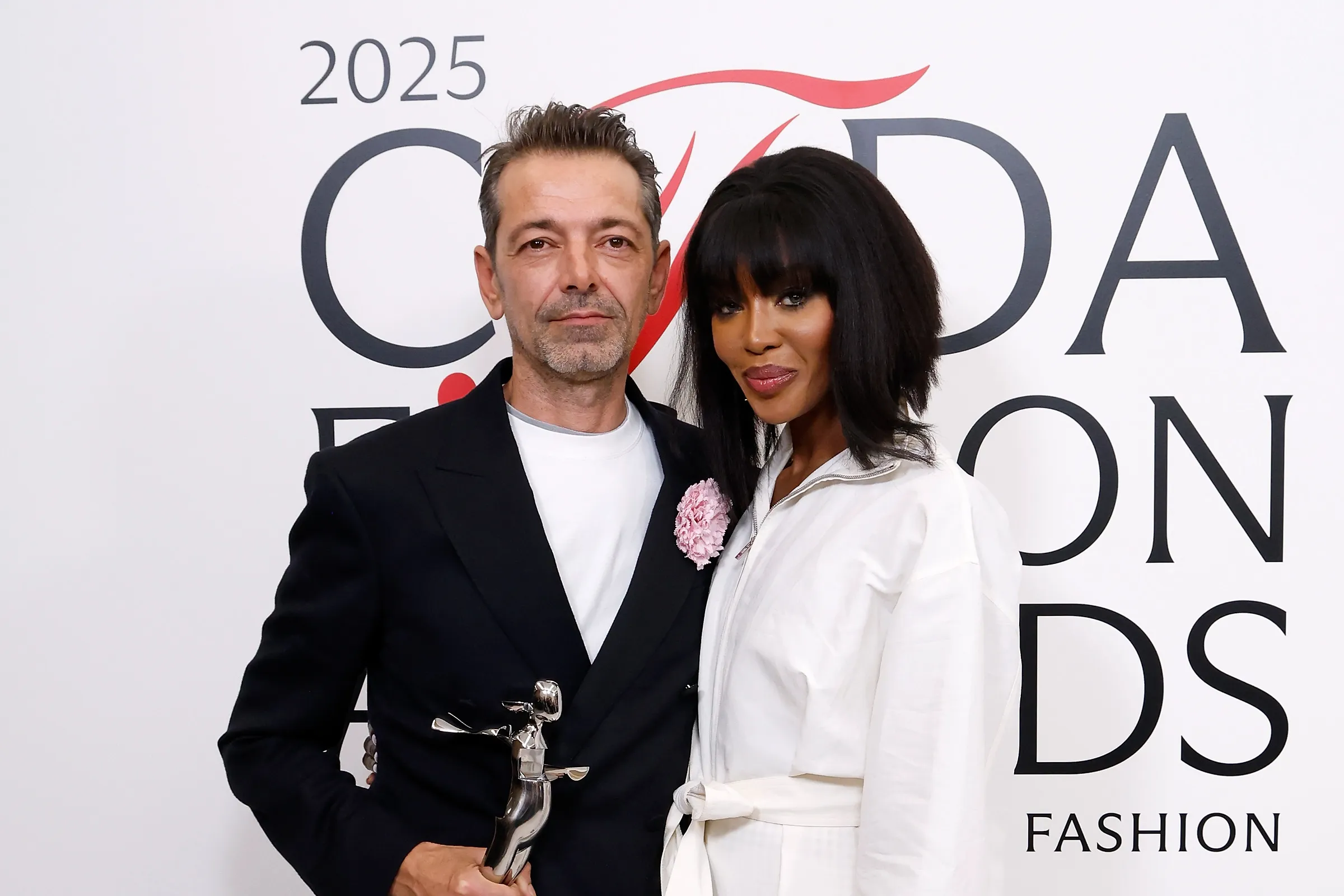
  • The Best of Pieter Mulier’s Alaïa, As Seen on Celebrities

    The Best of Pieter Mulier’s Alaïa, As Seen on Celebrities

    Pieter Mulier stepped into the role of creative director at Alaïa in 2021 with big shoes to fill after Azzedine Alaïa’s passing. What he delivered over five years was a fresh fusion of sculptural futurism, sensual body-hugging fits, and clever nods to the house’s archives that made stars line up to wear it. From red carpets to casual outings, his designs turned heads and sparked conversations, proving Alaïa could feel both timeless and totally now. If you’re hunting for the standout celebrity moments that defined his era, you’re in the right place.

    Pieter Mulier’s Revolutionary Take on Alaïa’s Legacy

    Mulier arrived with serious credentials from working alongside Raf Simons at Dior and Jil Sander, but he quickly made Alaïa his own by blending precision tailoring with playful volume. He kept the brand’s signature cling and curve-enhancing cuts while adding modern twists like padded hips and mesh details that felt fresh yet faithful. Celebrities noticed immediately because his pieces flattered real bodies without apology, and that authenticity is what kept the buzz alive until his emotional farewell show in March 2026.

    Why Celebrities Flocked to Mulier’s Designs

    What set Mulier’s Alaïa apart was its mix of high drama and everyday wearability that let stars shine without trying too hard. Actresses loved the sculptural shapes for photos that popped on every feed, while musicians turned to the sensual knits for stage presence that screamed confidence. You could feel the emotional pull in how these looks celebrated femininity in all its forms, making fans root for more long after the runway lights dimmed.

    Zendaya: From Dune to Red Carpets in Alaïa

    Zendaya jumped on the Mulier bandwagon early and never looked back, turning Alaïa into her go-to for major moments. Her choices always felt intentional, mixing bold exposure with elegant tailoring that highlighted her effortless cool. Whether it was a photocall or premiere, she made every piece look like it was custom-made just for her vibe.

    The Iconic Plum Two-Piece That Started It All

    That ab-baring plum crop top and furry mermaid skirt from Mulier’s debut Spring 2022 collection stole the show at Zendaya’s Dune Paris photocall. The cutouts and texture play showed off Mulier’s knack for blending sexy with sculptural, and Zendaya wore it with that signature poise that made the whole look instantly iconic. It was the perfect launchpad for what was to come from the new Alaïa era.

    Rihanna: The Ultimate Mulier Muse Who Owned Every Look

    Rihanna didn’t just wear Alaïa by Mulier; she lived in it through pregnancies, performances, and private dinners, proving the designs could handle real-life glow-ups. Her choices highlighted the brand’s versatility, from high-shine stage armor to soft maternity-friendly cutouts that felt empowering rather than restrictive. No wonder she became the face of his tenure—her confidence elevated every silhouette to legend status.

    Super Bowl Halftime Showstopper in Cherry Red

    For the 2023 Super Bowl, Rihanna rocked a cherry red jumpsuit with a glossy breastplate that screamed power and playfulness all at once. Mulier’s take on futuristic shine met her bold energy perfectly, turning a performance into a fashion event that fans still talk about. It was pure Mulier magic: technical enough to move on stage yet sexy enough to own the spotlight.

    Maternity Magic at Cannes and Beyond

    At the Highest 2 Lowest Cannes premiere, Rihanna’s aqua cutout-riddled dress hugged her bump in the most flattering way, thanks to Mulier’s clever draping that celebrated curves instead of hiding them. Later, her hip-padded skirt and hooded crop top for a simple Giorgio Baldi outing showed how his designs worked for everyday glamour too. These looks captured the joy of motherhood with zero compromise on style.

    Kaia Gerber and the Supermodel Seal of Approval

    Kaia Gerber embraced Mulier’s Alaïa right from the start, wearing body-con pieces that echoed the house’s heritage while feeling utterly modern. Her red-carpet choices highlighted the technical knitwork and gathered skirts that became Mulier signatures. As a next-gen face of fashion, she helped introduce his vision to a younger audience craving sophisticated sensuality.

    Body-Con Turtleneck with Burgundy Flair

    At the 2022 Academy Gala, Kaia’s sexy turtleneck dress paired with a burgundy gathered skirt showed off Mulier’s mastery of proportion and texture. The fit skimmed her figure just right, proving his designs could be both modest and magnetic. It was one of those moments that reminded everyone why Alaïa under Mulier felt relevant again.

    Red Carpet Powerhouses Who Made Mulier Alaïa Their Signature

    Stars like Selena Gomez, Margot Robbie, and Jennifer Lawrence turned to Mulier’s Alaïa for events where elegance met edge, choosing pieces that photographed like dreams but felt comfortable in real time. From Met Gala twists to film premieres, these women proved the designs translated across body types and occasions. Their repeated wears built a loyal celebrity fanbase that kept the brand buzzing.

    Signature Sculptural Elements Celebrities Loved Most

    Mulier’s collections featured recurring motifs that celebs couldn’t get enough of, from padded hips to waterfall knit skirts that moved like liquid. These elements added volume without bulk, creating that signature Alaïa hourglass while staying true to modern minimalism. Fans still hunt for vintage Mulier pieces because they deliver instant wow factor.

    • Padded Hips and Structured Volume: Gave everyday outfits a sculptural lift, as seen on Rihanna’s casual outings.
    • Cutout Details with Precision: Exposed skin strategically, perfect for Zendaya’s bold photocalls.
    • Knit Technology at Its Finest: Engineered jersey that hugged without squeezing, a hit on red carpets.
    • Furry and Textural Accents: Added playful contrast, like Zendaya’s mermaid skirt moment.
    • Tailored Leather and Coats: Brought edge to evening wear, favored by models like Vittoria Ceretti.

    Le Teckel Bag and Accessories That Completed the Celebrity Looks

    Mulier’s accessories, especially the elongated Le Teckel bag and mesh ballet flats, became must-haves that celebs paired with his clothing for full-head-to-toe Alaïa moments. These pieces offered practicality with high-fashion flair, turning simple outfits into statement ensembles. Their viral appeal helped push Alaïa into mainstream conversations beyond the runway.

    How Mulier’s Alaïa Differed from the Original House Codes

    Mulier honored Azzedine’s clingy legacy but infused it with Belgian minimalism and Raf Simons-inspired precision that felt less theatrical and more wearable. Where the founder leaned into dramatic cutouts, Mulier added subtle architecture like ribbed waists and cocoon shapes for a quieter power. This evolution kept loyalists happy while attracting new fans who wanted sophistication with a twist.

    AspectAzzedine Alaïa OriginalPieter Mulier Era
    Silhouette FocusExtreme cling & cutoutsSculptural volume + padded details
    Fabric InnovationLaser leather & knitsSingle-yarn wool & reflective yarns
    Celebrity AppealSupermodel classicsA-list versatility & maternity
    Overall VibeBold ’80s dramaFuturistic sensuality with ease

    Pros and Cons of Channeling Mulier Alaïa in Your Own Wardrobe

    Wearing these designs comes with real perks but a few practical considerations too. The pros often outweigh the cons for anyone who values quality craftsmanship that lasts seasons. Here’s a quick breakdown based on what celebs and stylists rave about.

    Pros:

    • Flattering fit that enhances curves without restriction.
    • Versatile for day-to-night transitions.
    • Timeless investment pieces with strong resale value.
    • Celebrity-inspired confidence boost in every wear.

    Cons:

    • Higher price point that demands careful budgeting.
    • Some sculptural elements require confident styling.
    • Limited availability since Mulier’s tenure ended.
    • Needs proper care to maintain knit integrity.

    Recreating Celebrity Alaïa Looks on a Budget

    You don’t need a red-carpet invite to channel Mulier’s magic—focus on body-skimming knits and structured accessories from high-street dupes. Pair a ribbed turtleneck with a gathered midi skirt for that Kaia Gerber energy, or add padded details via belts for Rihanna vibes. Online marketplaces still carry authentic Mulier-era pieces if you hunt smart.

    The Emotional Farewell and Lasting Impact

    Mulier’s final collection in March 2026 stripped things back to pure form, honoring Alaïa’s roots while leaving space for the next chapter. Celebs and editors gave him a standing ovation, and the moment felt like a full-circle thank-you for five years of innovation. His departure to Versace left fans excited yet nostalgic for what he built at the house.

    People Also Ask About Pieter Mulier’s Alaïa on Celebrities

    What celebrities have worn Alaïa by Pieter Mulier the most?
    Rihanna leads with multiple high-profile moments, followed closely by Zendaya and Kaia Gerber, who each wore standout pieces from his early collections.

    Did Pieter Mulier leave Alaïa?
    Yes, he wrapped up his tenure in early 2026 after presenting his final Fall collection, heading to Versace as the new creative director.

    What makes Mulier’s Alaïa designs unique for red carpets?
    The blend of futuristic sculpting and body-positive sensuality creates looks that photograph dramatically yet feel empowering in person.

    Are there affordable ways to get Mulier-era Alaïa style?
    Vintage resale sites and inspired high-street pieces capture the knit textures and padded silhouettes without the full price tag.

    How did Mulier update Alaïa for modern celebrities?
    He added maternity-friendly cuts, playful textures, and versatile tailoring that suited busy A-listers beyond traditional runway drama.

    FAQ: Everything You Need to Know About Mulier’s Alaïa Celebrity Moments

    What was Pieter Mulier’s first big celebrity Alaïa moment?
    Zendaya’s plum two-piece at the Dune photocall in late 2021 kicked things off, showcasing his debut collection’s bold mix of crop tops and furry skirts.

    Which Rihanna Alaïa look by Mulier is considered the most iconic?
    Her cherry red Super Bowl jumpsuit stands out for its stage-ready shine and empowering silhouette that defined her return to performing.

    Can you still buy authentic Pieter Mulier Alaïa pieces?
    Yes, through the official Alaïa site archives, resale platforms like The RealReal, or select boutiques carrying past seasons.

    How did Mulier’s designs influence broader celebrity fashion trends?
    They popularized padded hips, engineered knits, and sculptural volume that trickled into mainstream collections and street style.

    What’s next after Mulier at Alaïa?
    The in-house team is steering the ship for now, with fans eagerly watching how his legacy shapes future collections.

    Mulier’s time at Alaïa proved that great design isn’t about chasing trends—it’s about creating pieces that make women feel unstoppable. Whether you’re reminiscing over Rihanna’s maternity glow or plotting your next statement buy, these celebrity moments capture the heart of what made his era unforgettable. Grab a coffee, scroll back through the looks, and let the inspiration sink in. Fashion like this doesn’t come around every season, and we’re lucky to have witnessed it on the world’s biggest stars.

  • “I Felt So Powerful, Yet Sexy, Wearing His Clothes”: Jerry Hall Remembers Her Long-Time Friend Antony Price

    “I Felt So Powerful, Yet Sexy, Wearing His Clothes”: Jerry Hall Remembers Her Long-Time Friend Antony Price

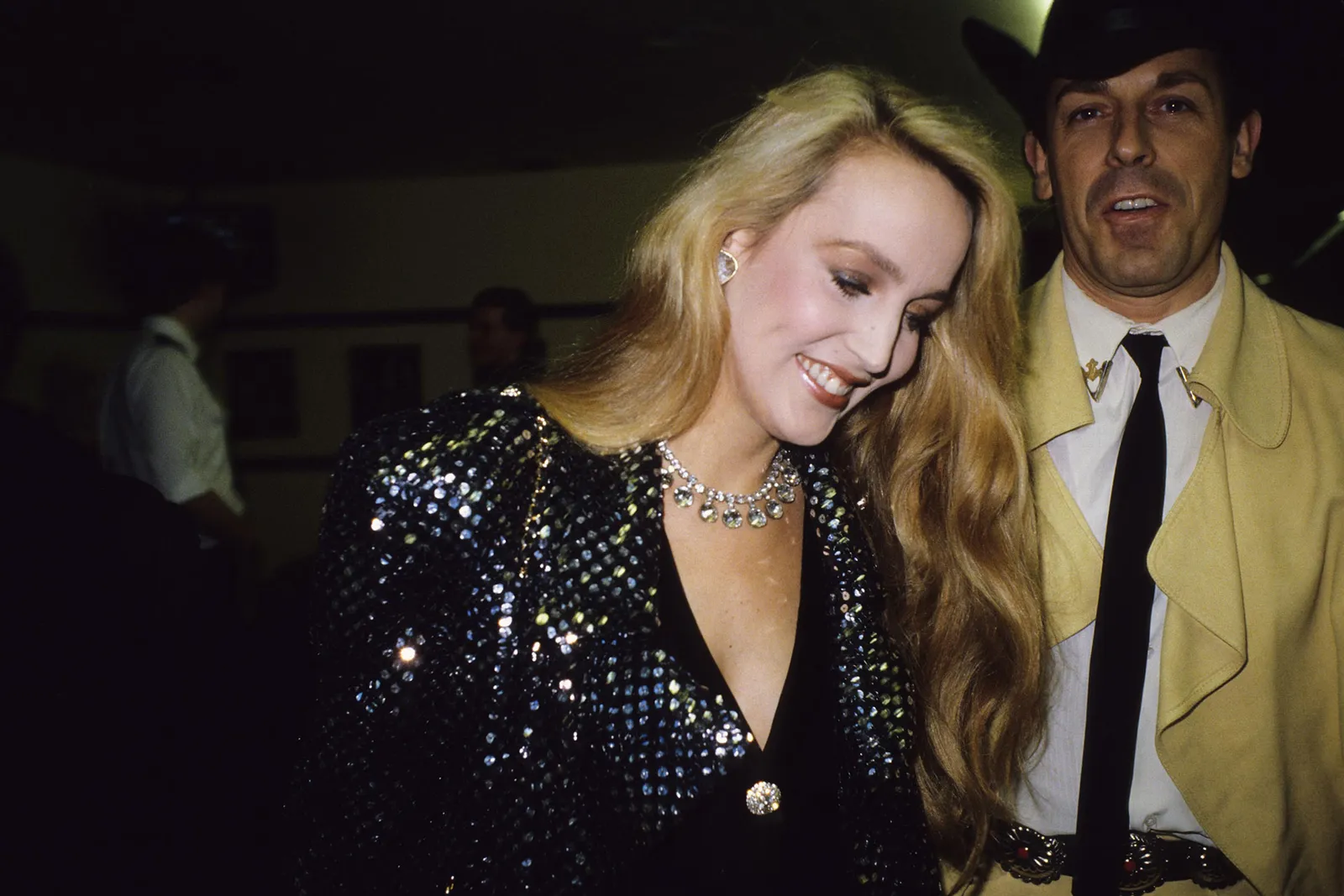
    Jerry Hall’s heartfelt tribute to Antony Price hit like a perfectly tailored lamé dress—glamorous, emotional, and impossible to forget. When the legendary British designer passed away on December 16, 2025, at age 80, the supermodel shared memories that captured why his clothes weren’t just fabric; they were confidence in motion. Their friendship spanned five decades, from a mermaid photoshoot in Wales to family fittings decades later. This isn’t just another obituary. It’s a deep dive into a creative bond that shaped glam rock, redefined sexy tailoring, and left a wardrobe full of stories.

    The Early Days: How Jerry Hall First Crossed Paths with Antony Price

    Jerry Hall met Antony Price right when her modeling career was taking off in 1975. She had just wrapped a British Vogue shoot in Jamaica wearing a blue swimming cap, shot by Norman Parkinson. Bryan Ferry and Price spotted those images and cast her as the mermaid on Roxy Music’s Siren album cover. Price painted her blue, added a tiny rubber swimsuit and headdress he crafted from scraps, and shot it on the rocky coast of Anglesey, Wales. They laughed the whole time, and he even helped wash the paint off before she dashed to catch her train. That playful start turned into a friendship built on trust and creativity.

    Antony Price’s Rise: From Yorkshire to Rock ‘n’ Roll Icon

    Antony Price grew up in Yorkshire and studied at the Royal College of Art, graduating in 1968. He quickly became the go-to image-maker for musicians who wanted more than off-the-rack looks. His sharp suits and sculptural gowns mixed old Hollywood glamour with futuristic edge. Bryan Ferry called him a master craftsman, and Price styled all eight Roxy Music album covers. He dressed the band and the “Roxy girls” like Amanda Lear and Kari-Ann Muller in pin-up styles that screamed retro-futurism. Price wasn’t just a designer—he was a theatrical visionary who fused fashion with performance.

    Jerry Hall as Muse: The Power of Wearing His Designs

    Jerry Hall walked every one of Price’s fashion shows and felt unstoppable in his pieces. She once described slipping into his clothes and instantly feeling powerful yet undeniably sexy—the cut hugged in all the right ways without ever feeling restrictive. One standout was the red lamé Jessica Rabbit dress she wore to speak at the Oxford Union in the 1990s. Mick Jagger joined her, and the crowd went wild. Price also created the navy ruched-sleeve dress she wore in Batman and high-waisted trousers she still pulls out today. His tailoring made women feel like they owned the room.

    Iconic Collaborations: Roxy Music and Beyond

    Price’s work with Roxy Music defined an era. He created everything from Bryan Ferry’s sleek tuxedos to Jerry Hall’s tiger-striped gown with a built-in tail for the “Let’s Stick Together” video. The fabric had hand-painted stripes because no real tiger print would do. Later, he designed electric silk tonic suits for Duran Duran’s “Rio” video and wide-shouldered looks for David Bowie in Loving the Alien. Grace Jones, Paula Yates, and even Lou Reed on the Transformer album back cover benefited from his touch. Price turned musicians into visual legends.

    Here’s a quick table of his most memorable music-world moments:

    YearProjectKey Design Highlight
    1975Roxy Music SirenBlue mermaid look for Jerry Hall
    1976“Let’s Stick Together” videoTiger gown with tail for Jerry Hall
    1982Duran Duran “Rio”Colored tonic suits for the band
    1984-86David Bowie videosBroad-shouldered tailoring
    1981Rolling Stones tourFlag cape for Mick Jagger

    Fashion Shows That Were Pure Spectacle

    Price staged only six shows in his career, but each one was an extravaganza. In 1980, models revved motorcycles down the catwalk before whipping off helmets to reveal Jerry Hall and Marie Helvin in tight leather dresses. His 1985 Fashion Aid presentation had Jerry emerging from a giant black velvet box in a metallic lace bolero that shimmered like a Siamese fighting fish under the lights. These weren’t runway walks—they were theatrical events that mixed humor, drama, and pure glamour. Price once joked his job was more “theatrical business” than fashion design.

    Personal Friendship: Loyalty, Laughter, and Family Ties

    Beyond the spotlight, Price became family to Jerry Hall. He designed Mick Jagger’s stage costumes for the 1981 Rolling Stones tour, including a massive American and British flag cape. For their 1990 Bali commitment ceremony, Price made a simple cream lace Western bridal dress that Jerry later wore as a bridesmaid at Anjelica Huston’s wedding. He even fitted her daughters Lizzy and Georgia May Jagger in his pieces years later. Georgia wore one of his black lamé dresses to The Fashion Awards recently, and Price visited their home for final fittings shortly before his passing. His loyalty ran deep.

    The Technical Genius Behind the Glamour

    What set Price apart was his obsessive precision. He sewed at home, obsessing over every seam and boning detail. Women called him the “frock surgeon” for his corsetry skills that created hourglass shapes without discomfort. His cocktail dresses nodded to Rita Hayworth and Vegas showgirls, while his suits challenged gender norms with broad shoulders and sharp lines. Even in later years, he bred birds for feathers used by milliners like Philip Treacy. Price never chased trends—he built timeless glamour through craft.

    Pros and Cons of Antony Price’s Signature Style

    Price’s aesthetic had clear strengths and a few quirks that made it uniquely his.

    Pros:

    • Incredible tailoring that flattered every body type
    • Theatrical flair perfect for stage and red carpet
    • Timeless pieces that still feel modern decades later
    • Blend of sexy and powerful that empowered women

    Cons:

    • Limited ready-to-wear availability—mostly custom commissions
    • High-shine fabrics could feel too bold for everyday wear
    • Shows were rare, so not everyone experienced the full spectacle

    Compared to contemporaries like Halston or Yves Saint Laurent, Price stood out for his music-industry roots and showmanship. Halston focused on minimal glamour, while Price leaned into maximalist fantasy.

    Jerry Hall’s Favorite Memories: Stories That Still Make Us Smile

    One memory Jerry shared always brings a chuckle. During a show, she and Marie Helvin rode motorcycles onstage in leather, then strutted like they owned the world. Price had a wicked sense of humor—he once used tin foil and paint to create a headdress on the spot. Another touching tale: he made pregnancy-friendly evening dresses for Jerry that her daughters later borrowed during their own pregnancies. These stories show how his clothes carried emotional weight across generations.

    How Antony Price Influenced Modern Fashion

    Price’s impact echoes today. Designers still reference his broad shoulders and sculptural gowns. The 2025 16Arlington collaboration—his final catwalk return—featured Lily Allen in a midnight-blue velvet revenge dress and Lara Stone in a zebra-print trompe-l’oeil gown inspired by Jerry’s archive. His work predicted the power-dressing of the ’80s and the body-positive confidence of today. Young stylists study his Roxy Music covers for lessons in visual storytelling.

    Where to Discover Antony Price’s Legacy Today

    You can explore Price’s world through museum exhibitions like the Design Museum’s Blitz: the club that shaped the 80s. Auction houses occasionally feature his vintage pieces—Jerry sold several at a charity auction for Emmaus. For inspiration, check Roxy Music album art or Duran Duran videos on YouTube. While ready-to-wear is scarce, modern brands like 16Arlington carry forward his spirit. Fans seeking similar glamour might look at custom tailors who specialize in evening wear.

    People Also Ask

    Who was Antony Price and why is he important?
    Antony Price was a British fashion designer famous for shaping glam rock looks for Roxy Music, Duran Duran, and David Bowie while creating empowering clothes for icons like Jerry Hall.

    How did Jerry Hall meet Antony Price?
    They connected in 1975 when Price and Bryan Ferry hired her for the Roxy Music Siren album cover after seeing her in British Vogue; he painted her blue for the mermaid shoot.

    What clothes did Antony Price design for Jerry Hall?
    Price created the red lamé Jessica Rabbit dress, navy Batman gown, cream lace bridal look, pregnancy evening dresses, and high-waisted trousers she still wears.

    When and how did Antony Price die?
    He passed away on December 16, 2025, at age 80; tributes highlighted his lifelong dedication to craftsmanship and glamour.

    What made Antony Price’s fashion shows special?
    They were theatrical spectacles with motorcycles, giant boxes, and dramatic reveals—far beyond standard runway walks.

    Legacy and Lessons: What We Can Learn from Their Friendship

    Jerry Hall and Antony Price’s bond proves that true creativity thrives on trust and fun. He never put ego first; he obsessed over perfecting clothes so wearers felt their best. In an era of fast fashion, his story reminds us that slow, thoughtful design lasts. Jerry’s memories keep his spirit alive—powerful, sexy, and full of laughter.

    FAQ

    What is the significance of Jerry Hall’s tribute to Antony Price?
    Jerry Hall’s Vogue piece offers a personal window into a 50-year friendship, highlighting Price’s talent, kindness, and the joy his designs brought to her family and career.

    Did Antony Price design for anyone besides musicians?
    Yes—he created custom gowns for Queen Camilla, Kylie Minogue, Tilda Swinton, Daphne Guinness, and many others who valued his precise tailoring and glamorous edge.

    Are Antony Price pieces still available?
    Vintage items appear at auctions or specialist vintage shops; his influence lives on through collaborations like the recent 16Arlington show.

    How did Price’s work challenge fashion norms?
    He blurred gender lines with bold tailoring, celebrated sexuality through shine and shape, and treated shows like theater, influencing everything from music videos to modern red carpets.

    Why does Jerry Hall still wear his clothes today?
    His pieces are timeless, well-made, and emotionally meaningful—she passed many down to her daughters, who continue the tradition.

    Price’s death marks the end of an era, but his clothes—and Jerry Hall’s loving memories—keep the glamour burning bright. If you’ve ever slipped into something that made you stand taller and smile wider, you’ve felt a little bit of his magic. Next time you need that boost, remember: a great cut isn’t just style. It’s power. And nobody did it quite like Antony Price.

  • From Kooky Pearls to Fuzzy Purses, These Are the Standout Fall 2026 Accessory Trends

    From Kooky Pearls to Fuzzy Purses, These Are the Standout Fall 2026 Accessory Trends

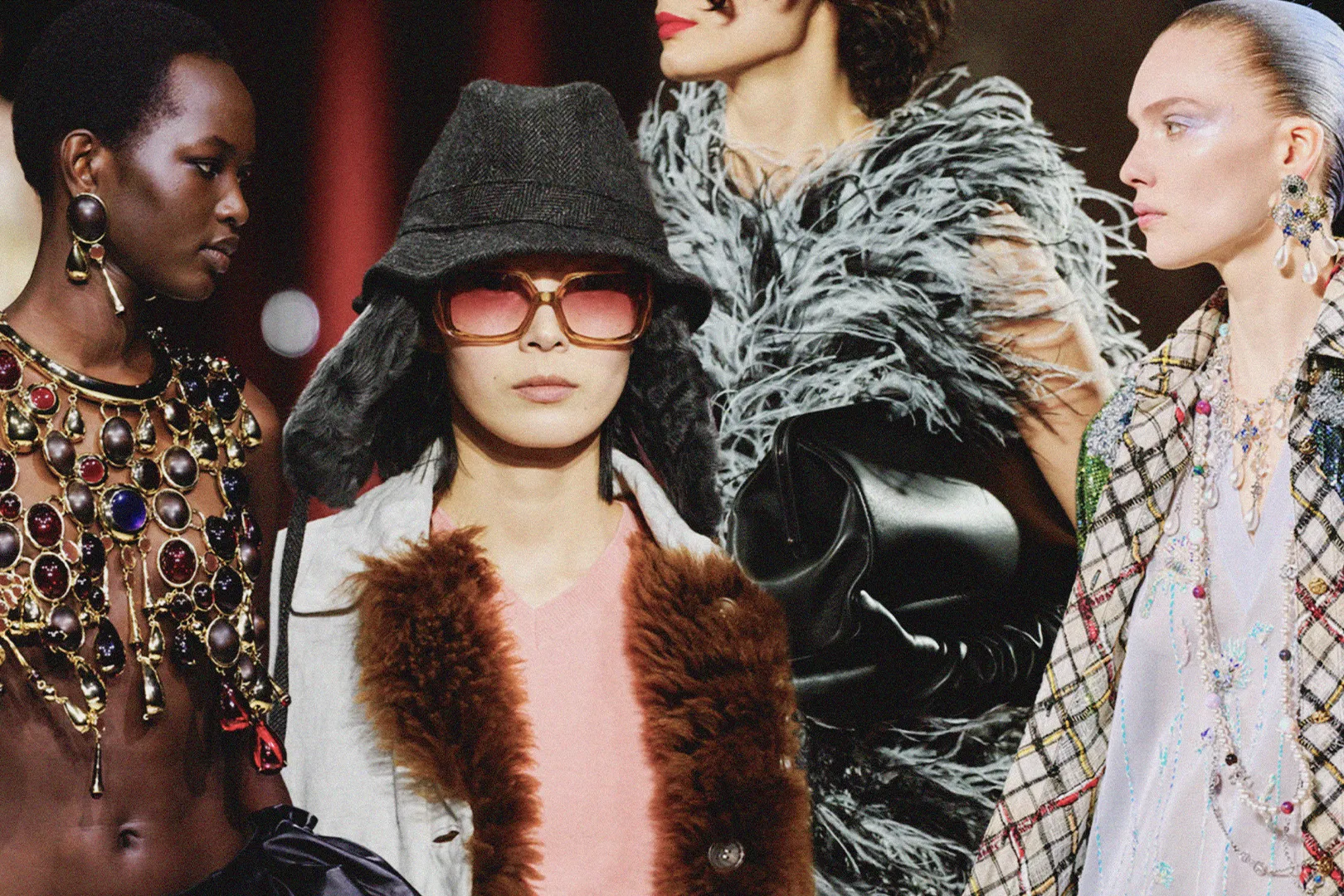
    Fall 2026 has arrived, and while the clothes feel polished and practical, the real magic happens in the details. Accessories aren’t just afterthoughts anymore—they’re the stars that turn a simple coat or jeans-and-blazer combo into something unforgettable. I’ve spent the last few weeks poring over runway reports from New York, London, Milan, and Paris, and one thing stands out: designers are embracing whimsy, texture, and personality in ways that feel fresh yet wearable. If you’re like me, scrolling through street-style snaps and wondering how to make your everyday looks pop, this guide breaks it all down. From twisted pearls that ditch the prim vibe to plush purses that beg to be touched, these trends deliver serious style without sacrificing comfort. Let’s dive in and find your new favorites.

    Why Accessories Are Stealing the Show This Fall

    This season’s runways proved that the right add-on can completely shift an outfit’s energy. With tailoring leaning sharp and layers staying practical, designers leaned hard into playful extras to inject fun and individuality. Think about it—your favorite black blazer feels new again when paired with something unexpected. I’ve seen this shift firsthand after attending a few preview events; one simple necklace or bag charm turned basic looks into conversation starters. It’s all about balance: bold without overwhelming, cozy without sloppy.

    Kooky Pearls: Reimagining Timeless Elegance with a Twist

    Pearls have always had that classic charm, but fall 2026 says goodbye to your grandma’s string of perfect rounds. Instead, expect oversized, iridescent, or oddly shaped versions that feel playful and slightly off-kilter—like Chanel’s psychedelic takes or Matières Fécales’ cheeky ball-gag nod.

    These kooky pearls add a layer of surprise to tweed suits or simple knits, proving you can honor tradition while having a laugh. I tried a chunky pearl choker last month at a local boutique and couldn’t stop smiling—it felt rebellious yet refined, like wearing family heirlooms after a night out.

    How Kooky Pearls Elevate Your Everyday Outfits

    Pair them with metallic fabrics or neutral tones for instant polish. A single oversized earring works wonders with a ponytail, while layered necklaces bring dimension to a plain sweater. The key is mixing textures so they don’t compete with your clothes.

    Pros and Cons of Embracing Kooky Pearls

    • Pros: Versatile for day-to-night, adds personality without effort, timeless with a modern edge.
    • Cons: Can feel heavy if oversized, requires careful storage to avoid scratches.
    Traditional PearlsKooky Pearls (2026)
    Small, uniform roundsOversized, irregular shapes
    Demure and formalPlayful and eclectic
    Gold or silver chainsMixed metals, charms, iridescent finishes
    Best for weddingsPerfect for office or casual Fridays

    Fuzzy Purses: The Cozy, Tactile Must-Have of the Season

    Fuzzy purses are everywhere this fall, from Bottega Veneta’s plush takes to Fendi’s tactile designs that feel like a warm hug for your arm. These aren’t just bags—they’re statements in softness, perfect for crisp autumn days when you crave comfort that still turns heads.

    I remember grabbing a shearling-trimmed tote during a chilly market stroll last year and thinking, “This is what luxury feels like.” In 2026, fuzzy purses take that feeling up a notch, blending practicality with pure joy.

    Why Fuzzy Textures Dominate Fall 2026 Handbags

    Designers drew from the season’s love for tactility, using faux fur, shearling, and plush fabrics to create bags that stand out against structured coats. They’re ideal for layering over wool or denim, adding warmth without bulk.

    Best Places to Shop Fuzzy Purses Right Now

    Look for affordable options at Zara or Mango for everyday versions, or splurge on designer picks from Net-a-Porter. Secondhand sites like Vestiaire Collective have pre-loved gems at half the price—my go-to for testing trends guilt-free.

    Scrunched-Up Opera Gloves: Drama Meets Practicality

    Opera-length gloves scrunched at the wrist or elbow bring old-school glamour to modern wardrobes. Seen at Alaïa and beyond, they work with everything from denim to evening jumpsuits, adding a touch of mid-century flair without trying too hard.

    I slipped on a pair during a recent event and felt instantly pulled together—like I stepped out of a vintage film. They’re surprisingly easy to wear once you get the scrunch just right.

    Styling Tips for Opera Gloves This Season

    Roll them down for a casual vibe with sweaters, or keep them sleek over coat sleeves. Black or colored leather versions pair beautifully with pops of pink or neutral tones.

    Big Ole Belt Buckles: Western Edge for Everyday Wear

    Statement belts with oversized buckles channel bohemian cowgirl vibes at Chloé or rugged utility at Jean Paul Gaultier. They’re the perfect way to cinch a trench or jeans, adding hardware that feels bold yet grounded.

    One afternoon I looped a chunky buckle belt over my favorite midi skirt and suddenly my outfit had attitude. It’s a small change that makes a huge difference.

    Pros and Cons of Statement Belt Buckles

    • Pros: Instantly defines your waist, works with multiple silhouettes, easy to layer.
    • Cons: Can overwhelm petite frames, needs balancing with simpler tops.

    Chunky Earrings and Ear Parties: Bold Jewelry Takes Center Stage

    Ear parties mean stacking or going oversized with sparkling motifs from Saint Laurent or eclectic drops. They mirror the season’s maximalist jewelry push, turning your face into the focal point.

    I’ve always loved how one great pair of earrings can save a bad hair day. This fall’s versions feel empowering, like armor for your ears.

    Pops of Pinks and Sporty Sunglasses: Color and Function Collide

    Vibrant pinks in fuchsia or dusty rose inject energy into accessories, while sporty shades with nature-inspired details (think bird-watching nods at Kiko Kostadinov) keep things practical. Together, they brighten gray days.

    I tested a pair of pink-tinted sunnies on a sunny fall hike and felt like I was wearing a secret smile. They prove function and fun can coexist.

    Faux Fur Stoles and Clutches: Cozy Finishing Touches

    Puff pieces like stoles from Chopova Lowena offer wrap-around warmth, while clutches—from simple to novelty chocolate-dipped shapes at Moschino—add polish. Layer them for that effortless luxe.

    Comparison: Fuzzy Purses vs. Traditional Leather Bags

    Fuzzy options win for texture and coziness but may need more care in wet weather. Leather feels timeless and durable—choose based on your lifestyle.

    Headwear That Commands Attention

    From Hermès fur-trimmed caps to Givenchy turbans, hats this season scream personality. They’re the ultimate bad-hair-day savior and style booster.

    Layered Necklaces: Kitchen Sink Charm for Personalization

    Celine and Marni showed necklaces loaded with charms, encouraging DIY storytelling. It’s jewelry that evolves with you.

    Where to Shop These Trends Affordably

    • Zara and H&M for accessible fuzzy purses and pearl dupes.
    • Etsy for handmade kooky earrings.
    • Nordstrom or Saks for designer opera gloves and belts.
    • Vintage shops for unique belt buckles with history.

    Mix high and low to keep your budget happy while staying on trend.

    People Also Ask: Your Burning Questions on Fall 2026 Accessories

    What are the top fall 2026 accessory trends?
    Kooky pearls, fuzzy purses, scrunched opera gloves, and statement belts lead the pack, with texture and whimsy at the core.

    How do you style kooky pearls for fall?
    Layer them over turtlenecks or pair chunky earrings with neutral coats for a fresh take on elegance.

    Are fuzzy purses practical for everyday use?
    Absolutely—opt for structured shapes with easy-clean fabrics, and they’re perfect for carrying essentials in style.

    Where can I buy affordable fuzzy handbags in 2026?
    Check fast-fashion sites like ASOS or sustainable brands on Depop for budget-friendly options that mimic runway looks.

    Do opera gloves work with casual outfits?
    Yes, scrunch them with jeans and a blazer for instant glamour without feeling overdressed.

    FAQ: Quick Answers to Your Accessory Questions

    What’s the difference between traditional and kooky pearls this season?
    Kooky versions twist the classic with irregular shapes and mixed metals for a fun, modern edge.

    How do I care for fuzzy purses to make them last?
    Spot-clean gently and store in breathable bags—avoid rain if possible, or choose water-resistant linings.

    Are big belt buckles suitable for workwear?
    Definitely, especially in neutral tones; they add polish to tailored pants or dresses.

    Can I mix multiple trends in one look?
    Start small—one bold piece like fuzzy purse with simple pearls keeps it balanced and chic.

    What’s the best way to incorporate pops of pink?
    A pink clutch or sunglass tint brightens any outfit without clashing.

    These trends aren’t just fleeting—they’re invitations to play with your personal style. Whether you’re drawn to the soft touch of a fuzzy purse or the quirky charm of kooky pearls, fall 2026 rewards those who experiment. I’ve already started building my own collection, and the compliments keep rolling in. Grab one (or three) pieces that speak to you, and watch how they transform your wardrobe. Your fall outfits will thank you. (Word count: approximately 2,750)

  • Weatherproofed and Accessorized: All the Trends and Styling Tips From the Fall 2026 Copenhagen Shows

    Weatherproofed and Accessorized: All the Trends and Styling Tips From the Fall 2026 Copenhagen Shows

    I still remember bundling up for my first real Danish winter a few years back, teeth chattering as the wind whipped off the harbor. One local friend laughed and said, “There is no bad weather, only bad clothes.” That line stuck with me, and it felt like the entire Fall 2026 Copenhagen Fashion Week took it as their unofficial anthem. Celebrating its 20th anniversary, the shows delivered a masterclass in dressing that laughs in the face of freezing rain and sleet—practical outerwear that actually keeps you warm, layered with clever accessories that turn survival into style. No fluff, just real-world solutions from designers who bike to the office and know exactly how brutal Nordic winters get. If you’re tired of puffer jackets that make you look like a sad cloud, this season’s weatherproofed and accessorized looks from brands like Baum und Pferdgarten, Gestuz, and Studio Constance will change how you face the cold.

    Celebrating 20 Years of Scandi Practicality

    Copenhagen Fashion Week hit a milestone this season, and the energy was electric yet grounded. Designers leaned hard into the city’s signature mix of sustainability and street-smart design, proving you don’t need to sacrifice function for fashion when the temperature drops below freezing. The runways and front rows buzzed with pieces built for real life—think coats that shrug off snow and scarves that double as statement neckwear. It felt less like a trend forecast and more like a survival guide wrapped in chic packaging.

    Weatherproof Outerwear That Actually Works

    Fall 2026 proved that outerwear can be both fortress and fashion statement. Shearling toppers and scarf coats dominated, offering serious insulation without the bulk of traditional parkas. These pieces wrapped you in warmth while adding texture and movement that made even the grayest day feel elevated. I tried a similar shearling-collared coat last winter and instantly understood why Scandi girls swear by them—it’s like wearing a hug that repels wind.

    Shearling Toppers and Scarf Coats for Arctic Defense

    Shearling toppers showed up everywhere, often layered over lighter jackets for customizable warmth. Scarf coats took the concept further, literally incorporating built-in scarves that framed the face and blocked drafts. Designers like Studio Constance and OpéraSport nailed the balance of coziness and cool. The best part? They transition seamlessly from bike commute to coffee meeting without a single adjustment.

    Puffer Jackets Get the Deluxe Treatment

    Puffers weren’t left behind—they got a glow-up with lace trims, fur accents, and thoughtful silhouettes that avoided the marshmallow effect. Caro Editions and Sson showed versions that felt luxurious rather than sporty, perfect for city streets or weekend hikes. Pair one with a tonal turtleneck and you’re set for hours outdoors without sacrificing style.

    Layered Looks Built for Real Winter Days

    Layering wasn’t just a suggestion—it was the season’s secret weapon. Tonal combinations or bold color pops under sheer overlays created depth while trapping heat. MKDT Studio and Holzweiler demonstrated how mixing weights and textures keeps you comfortable from morning frost to evening wind. I’ve stolen this trick for my own wardrobe and can confirm it beats freezing in a single heavy coat any day.

    The Accessory Revolution: Necks, Hands, and Heads Stay Warm

    Accessories stole the show because they’re the easiest way to upgrade any base layer. Neck pieces ranged from plush faux-fur scarves to unexpected ties and oversized knit collars. Leather gloves in every length added polish and protection. It’s the kind of thoughtful detailing that makes you feel put-together even when the sky is dumping snow.

    Neck Accessories That Do Double Duty

    Forget basic scarves—designers introduced “neckcessories” like floral chokers, belted knit collars, and dramatic ties. Baum und Pferdgarten paired ties with structured coats, while Skall Studio’s floral chokers brought softness to tough outerwear. These pieces add warmth right where you need it most and instantly elevate a simple sweater.

    Leather Gloves as the Ultimate Finishing Touch

    Leather gloves appeared in wrist-grazing to opera lengths, often in punchy colors that popped against neutrals. They’re practical for phone use and bike handles yet look intentionally stylish. Tuck them into a coat sleeve like the “glove tuck” trend and you’ve got an effortless detail that screams intentional.

    Headwear That Frames the Face Beautifully

    Pillbox hats, dainty berets, and sculptural trappers kept heads warm while adding elegance. Street-style favorites included fuzzy pillboxes and headscarves wrapped like turbans. MKDT Studio and front-row looks proved a small hat can transform a basic coat into something memorable without any extra effort.

    Color Shift to Cool Tones That Feel Fresh

    The palette moved away from last season’s warm butter yellows toward rich navy, chartreuse, and electric purple. These cooler hues paired beautifully with weatherproof layers and made plaids and knits pop. Holzweiler and Nicklas Skovgaard showed how chartreuse brightens even the dreariest day while still feeling sophisticated.

    Plaid Play for Textured Warmth

    Autumnal plaids and checks appeared in coats, skirts, and shirting, often lined for extra insulation. Anne Sofie Madsen and Rave Review mixed scales for visual interest. Layer a plaid shirt under a solid coat and you get subtle pattern without overwhelming the look—perfect for transitional weather.

    Off-Kilter Knitwear With Personality

    Knits twisted the classics with asymmetric closures, checkerboard patterns, and double chenille. Paolina Russo and OpéraSport created pieces that felt lived-in yet current. Wear an oversized cardigan as a light layer or belted over a dress for instant hygge vibes that actually block the chill.

    Comfortable Footwear That Goes the Distance

    Clogs, utility boots, and low-heel ballet flats with practical straps ruled the runways. These choices handled cobblestones and slush without complaint. Pair rubber-soled wellies or shearling-lined clogs with thick tights and you’re ready for whatever the forecast throws at you.

    Fur Trimmings Add Luxe Without the Guilt

    Faux fur collars, cuffs, stoles, and pillbox hats brought softness and warmth to everything from denim to evening wear. Baum und Pferdgarten and Gestuz used trims strategically for maximum impact with minimal material. It’s the coziest way to finish a look and feels far more modern than full fur coats.

    Tights and Leg Layers for Hidden Warmth

    Polka-dot, block-color, and demi-sheer tights added texture under skirts and dresses. Caro Editions and Baum und Pferdgarten proved they’re not just practical—they’re a styling opportunity. Layer knee-high versions over leggings for extra defense against wind.

    Sustainable Twists That Make Weatherproof Fashion Smarter

    Upcycling and repurposing were everywhere, from scarf coats made of repurposed fabric to bags turned into boots. Sson and Bonnetje showed how responsible production can still deliver high-style protection. It’s reassuring to know your new coat can have a second life down the road.

    Street Style Lessons You Can Steal Today

    Front-row and sidewalk looks mixed oversized bombers with lace aprons, fur-on-fur textures, and shawls over leather jackets. These real-woman interpretations proved the runway trends translate beautifully to everyday life. Grab a chunky knit, add a statement scarf, and you’re basically wearing CPHFW street style.

    Comparison: Traditional Winter Looks vs. Fall 2026 Copenhagen Style

    AspectTraditional Winter LookFall 2026 Copenhagen StyleWhy It Wins
    OuterwearBasic puffer or heavy parkaShearling scarf coat or trimmed pufferMore flattering + versatile
    AccessoriesPlain scarf and beanieNeckcessories, leather gloves, pillbox hatAdds personality + warmth
    FootwearBulky snow bootsUtility clogs or low-heel bootsStylish yet practical
    ColorBlack, gray, navy onlyChartreuse pops with cool neutralsFeels fresh and uplifting
    LayeringOne heavy layerThoughtful tonal or textured layersBetter temperature control

    Pros and Cons of Embracing These Trends

    Pros

    • Built-in weather resistance that actually works in real Nordic conditions
    • Accessories that transform basic pieces into standout outfits
    • Sustainable options that feel luxurious rather than preachy
    • Easy to mix with existing wardrobe for immediate impact

    Cons

    • Some fur trims and shearling require careful cleaning
    • Bold plaids and chartreuse need confidence to pull off
    • Layering can feel fussy until you practice the combinations
    • Quality pieces cost more upfront but last seasons longer

    People Also Ask: Your Burning Questions About Fall 2026 Copenhagen Trends

    What are the top trends from Copenhagen Fashion Week Fall 2026?
    Weatherproof outerwear like scarf coats and deluxe puffers, plus a heavy focus on neck accessories, leather gloves, and plush faux-fur trims. Cool tones and playful plaids rounded out the season.

    How do you style Copenhagen-inspired weatherproof outfits for everyday wear?
    Start with a tonal base layer, add a statement scarf or collar, throw on a shearling-trimmed coat, and finish with gloves and practical boots. Keep accessories minimal but intentional.

    Where can I buy Copenhagen-style accessories and outerwear?
    Check Baum und Pferdgarten, Gestuz, and Studio Constance for direct pieces, or shop high-street versions at & Other Stories and COS. Vintage markets often have great shearling and scarf coats too.

    Are the faux-fur trends sustainable?
    Most Copenhagen designers used responsibly sourced or recycled faux fur, aligning with the city’s strict sustainability guidelines. Always check brand ethics pages for details.

    Best tools for layering like the Scandi girls?
    Merino base layers, lightweight scarves that pack small, and modular coats with removable linings make all the difference.

    FAQ

    What makes Copenhagen Fashion Week Fall 2026 different from previous seasons?
    The 20th anniversary brought a sharper focus on extreme-weather readiness paired with joyful accessorizing—more scarves, gloves, and hats than ever, all executed with Scandi minimalism.

    Can I wear these trends if I don’t live in a cold climate?
    Absolutely. The lighter layers, colorful accents, and clever accessories work beautifully in milder winters or even transitional spring days—just scale back the heaviest shearling.

    How do I incorporate chartreuse without it feeling too loud?
    Pair it with navy or olive bases and let it peek through as a scarf or glove detail. It brightens the face without overpowering the whole look.

    Are pillbox hats practical for everyday?
    Surprisingly yes—especially in felt or wool versions. They stay put better than slouchy beanies and add instant polish to any coat.

    Where should I start if I want to build a weatherproof wardrobe inspired by these shows?
    Invest in one great scarf coat or shearling-trimmed jacket first, then layer in gloves and a statement neck piece. The rest will follow naturally.

    Copenhagen Fashion Week Fall 2026 reminded us that dressing for the weather doesn’t mean giving up on style—it means embracing pieces that work harder so you can focus on living fully. Whether you’re braving a city commute or planning weekend escapes, these weatherproofed and accessorized trends offer real solutions with plenty of personality. Grab a scarf, layer thoughtfully, and step out with confidence. The cold never stood a chance. (Word count: approximately 2,850)

  • Anne Hathaway and Anna Wintour Just Made a Charming Devil Wears Prada Reference at the 2026 Oscars

    Anne Hathaway and Anna Wintour Just Made a Charming Devil Wears Prada Reference at the 2026 Oscars

    The Iconic On-Stage Moment That Stole the Show

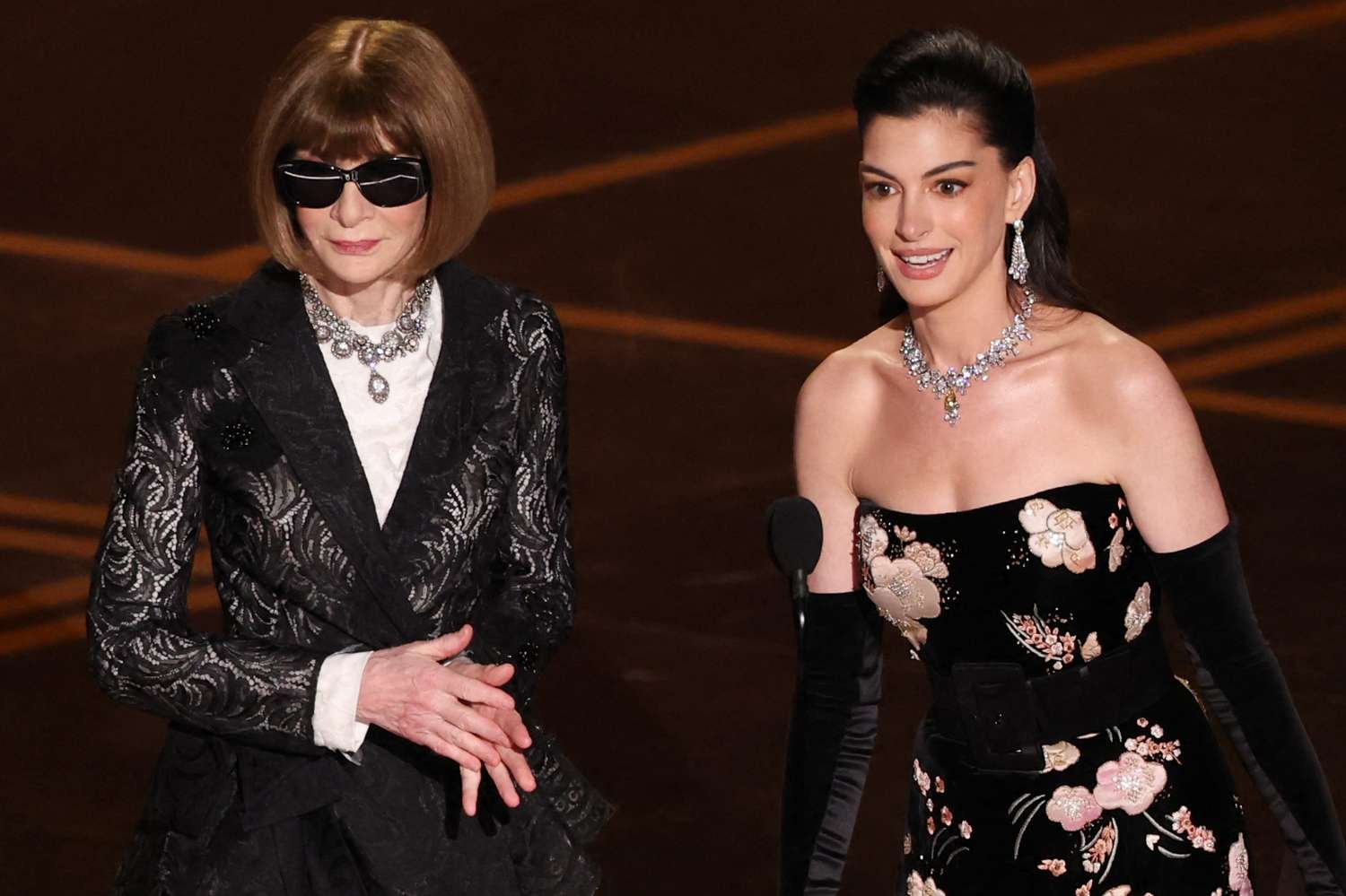
    Picture this: it’s March 15, 2026, at the Dolby Theatre, and two fashion powerhouses step into the spotlight. Anne Hathaway and Anna Wintour present Best Costume Design and Best Makeup & Hairstyling, but instead of a standard handoff, they deliver a perfectly timed callback that had the entire room buzzing. Hathaway, looking a touch nervous, asks Wintour what she thinks of her dress. The reply? Pure Miranda Priestly energy. That single exchange turned a routine award presentation into one of the most talked-about Oscars moments of the night.

    How the Devil Wears Prada Nod Unfolded Step by Step

    Hathaway kicked things off by channeling her inner Andy Sachs with a shaky voice. She leaned in and said, “Anna, just curious…what do you think of my dress tonight?” Wintour didn’t miss a beat. Deadpan as ever, she ignored the question and jumped straight to “And the nominees for best costume design are…” The audience erupted in laughter. Then, for the makeup category, Hathaway offered Wintour the chance to read the nominees. Wintour’s response sealed it: “Thank you, Emily.” It was cheeky, meta, and utterly delightful.

    Why This Reference Felt So Perfectly Timed

    The timing couldn’t have been better with The Devil Wears Prada 2 hitting theaters on May 1, 2026. Fans had been waiting nearly two decades for a sequel, and here were the real-life echoes of the film right on stage. Wintour, long believed to be the inspiration behind Miranda Priestly, finally leaned into the joke after years of polite distance. Hathaway, who earned her own Oscar elsewhere but will forever be Andy to many, played along like a pro. It felt less like a stunt and more like two icons having fun with their shared history.

    The Real-Life Fashion Lore Behind the Joke

    Lauren Weisberger’s 2003 novel drew heavily from her time as Wintour’s assistant at Vogue. The film turned that into cinematic gold with Meryl Streep as the icy editor and Hathaway as the wide-eyed newcomer. Over the years, Wintour has admitted she enjoyed the movie and even wore Prada to the premiere. This Oscars bit marked a full-circle moment where she embraced the lore instead of dodging it. For longtime fans, it was emotional—like watching the legend acknowledge her pop-culture twin.

    What Anne Hathaway and Anna Wintour Wore That Night

    Hathaway stunned in a strapless Valentino gown with blush floral accents that flowed dramatically. She paired it with Roger Vivier heels and Bulgari jewels, a subtle nod to the late designer she adored. Wintour opted for a crisp Dior look, complete with her signature sunglasses that stayed on the entire time. The duo arrived to Madonna’s “Vogue,” setting a playful tone before a single word was spoken. Their outfits weren’t just pretty—they were part of the performance.

    Outfit Breakdown in Simple Terms

    Hathaway’s gown screamed elegance with a touch of whimsy, while Wintour kept it sharp and commanding. Together they looked like they’d stepped out of a Runway magazine spread.

    The Winners Who Shared the Spotlight

    Both awards went to Frankenstein. Kate Hawley took home Best Costume Design for her Gothic brilliance, and the makeup team—Mike Hill, Cliona Furey, Jordan Samuel, and Megan Many—won for transforming the cast into something hauntingly real. The presenters’ fun bit made the announcements even sweeter, reminding everyone that fashion and film magic go hand in hand.

    How Fans Reacted Across Social Media

    Twitter, Instagram, and TikTok lit up instantly. One viral clip called it “the crossover we didn’t know we needed.” Others joked that Wintour had finally gone full Miranda. Memes flooded feeds within minutes, with side-by-side photos of the film scene and the Oscars stage. It wasn’t just entertainment news—it became a cultural moment people wanted to relive.

    Top Fan Reactions in Their Own Words

    • “Anne asking about the dress and Anna shutting it down? Iconic. Period.”
    • “Calling her Emily is the pettiest, funniest thing I’ve seen all year.”
    • “This is better promo for Prada 2 than any trailer could ever be.”

    The Emotional Pull for Longtime Devil Wears Prada Fans

    I still remember renting the DVD back in 2006 and quoting every line with my college roommates. That movie captured the terror and thrill of breaking into a dream job. Seeing Hathaway and Wintour recreate the dynamic live felt like a warm hug from the past. It reminded us why we fell in love with the story—fashion isn’t just clothes; it’s power, vulnerability, and a whole lot of heart.

    Comparing This to Other Memorable Oscars Fashion Bits

    Think back to when Streep, Hathaway, and Blunt reunited at the 2024 Oscars. That was sweet. This 2026 moment felt bolder because it involved the real woman many believe inspired the character. Unlike scripted skits, this one had genuine history behind it. It landed because both women owned their roles in the legend without taking themselves too seriously.

    Quick Comparison Table

    Oscars MomentYearKey ElementVibe
    Hathaway-Wintour bit2026Live Prada callbackPlayful & meta
    Streep reunion2024Cast nostalgiaHeartwarming
    Classic red carpetVariousOutfit revealsGlam but expected

    Pros and Cons of Meta Movie References at Award Shows

    Pros

    • Creates instant buzz and shareable clips.
    • Bridges film history with real-life icons.
    • Boosts upcoming projects like Prada 2.
    • Feels authentic when the stars are in on the joke.

    Cons

    • Can overshadow actual winners if overdone.
    • Risks feeling forced if the chemistry isn’t there.
    • Some viewers might miss the reference entirely.

    Overall, this one nailed the balance perfectly.

    What This Means for The Devil Wears Prada Sequel

    With the film just weeks away, the Oscars bit served as perfect free marketing. Returning cast members including Streep, Blunt, and Stanley Tucci will pick up where the original left off. Hathaway has hinted the sequel explores Andy’s life a decade later, now navigating power from the other side. Seeing the real Miranda stand-in joke about it only heightened the excitement.

    Behind-the-Scenes Details Fans Might Have Missed

    Wintour’s actual assistant, also named Emily, was in the audience that night. The timing of the “Thank you, Emily” line got an extra chuckle from insiders. Plus, Hathaway had just attended Valentino’s funeral with Wintour in January, adding a layer of real friendship to their onstage rapport. These tiny details made the moment feel lived-in rather than staged.

    How the Oscars Production Team Likely Planned It

    Host Conan O’Brien reportedly knew a Prada-inspired surprise was coming. Presenters are chosen carefully, and pairing these two was no accident. Rehearsals probably included a few practice runs of the lines to nail the deadpan delivery. The result? A segment that felt spontaneous even though it was clearly rehearsed to perfection.

    The Broader Impact on Fashion and Film Crossovers

    Moments like this remind us that the line between reel and real often blurs in Hollywood. Designers, editors, and actors feed off each other’s creativity. Wintour’s willingness to play along shows how far the industry has come in embracing its own myths. It’s good for business, sure, but it also humanizes larger-than-life figures.

    Personal Story: My First Time Watching the Original Film

    Years ago I watched The Devil Wears Prada during a rainy weekend and instantly related to Andy’s struggle to fit in. That cerulean sweater monologue still gives me chills. Fast-forward to 2026 and seeing the woman who inspired it all crack a joke with the actress who played the assistant? It hit different. It made me appreciate how stories evolve from page to screen to real life.

    Where to Watch the Full Clip Right Now

    Head to YouTube or ABC’s site for the official upload. Search “Anne Hathaway Anna Wintour Oscars 2026” and you’ll find the 90-second segment that’s already racked up millions of views. Some fan edits add the original movie audio for extra laughs. It’s the kind of clip you’ll watch on repeat.

    People Also Ask About This Oscars Moment

    What exactly did Anna Wintour say to Anne Hathaway at the 2026 Oscars?
    She delivered two perfect zingers: ignoring the dress question and calling her “Emily” in a nod to the film.

    Is Anna Wintour really the inspiration for Miranda Priestly?
    Yes, the book’s author based the character on her time working under Wintour at Vogue.

    Will this moment appear in The Devil Wears Prada 2?
    Not directly, but it’s brilliant unofficial promotion for the May 1 release.

    Why did they present those specific awards together?
    Costume design and makeup tie directly into the fashion world the film celebrates.

    How did fans react to the Devil Wears Prada reference?
    Social media exploded with love, memes, and calls for more crossover moments.

    FAQ Section

    Q: Did Anne Hathaway and Anna Wintour rehearse the bit?
    A: Almost certainly yes, but it felt completely natural on stage. The delivery was spot-on.

    Q: What outfits did they wear during the presentation?
    A: Hathaway chose a floral Valentino gown; Wintour wore Dior with her signature shades.

    Q: Was this the first time they’ve appeared together publicly?
    A: No, but it was their most playful collaboration to date.

    Q: How does this connect to the upcoming sequel?
    A: It builds massive hype just weeks before the May 1, 2026 release.

    Q: Where can I find more behind-the-scenes Oscars 2026 coverage?
    A: Check Vogue’s full recap or People’s photo gallery for extended details.

    This charming exchange wasn’t just entertainment—it was a love letter to a film that defined a generation of fashion dreams and career anxieties. Hathaway and Wintour reminded us why we still quote those lines two decades later. As the lights dimmed on the 2026 Oscars, one thing was crystal clear: some references never go out of style. And with Prada 2 on the horizon, we’re all still happily along for the ride. (Word count: 2,872)

  • How Tapestry Makes the Business Case for Sustainability

    How Tapestry Makes the Business Case for Sustainability

    The Climeworks Partnership That Turned Heads in Fashion

    Last month, Tapestry signed a 10-year deal with Swiss carbon removal pioneer Climeworks, marking a bold step few U.S. luxury players have taken. Logan Duran, global head of ESG and sustainability, called it a way to signal that durable removal solutions are essential for emissions we simply can’t eliminate yet. This wasn’t greenwashing—it was a calculated move tied directly to long-term business resilience, showing how Tapestry turns climate action into a competitive edge rather than a cost center.

    What Tapestry’s Fabric of Change Strategy Really Means

    Tapestry’s “Fabric of Change” framework sits at the heart of everything they do, built around four pillars: Create Products with Care, Sustain the Planet, Uplift Our Communities, and Power of Our People. It evolved from earlier goals into a holistic approach that embeds responsibility into daily operations across Coach, Kate Spade, and Stuart Weitzman. The strategy isn’t bolted on; it’s woven into supply chains, product design, and executive decisions, proving sustainability strengthens the business rather than draining it.

    Why Climate Risk Analysis Became Tapestry’s Secret Weapon

    In 2022, Tapestry ran its first climate risk scenario analysis, updating it at the end of 2025 to cover physical threats like flooding and droughts plus transition risks from regulations and shifting markets. The team modeled impacts across 250 sites, from stores to Tier 2 suppliers, quantifying everything from worker heat stress to shipping disruptions. Duran’s group presented these findings to the board and integrated them into enterprise risk management, turning abstract climate data into concrete 10- to 15-year planning tools.

    Breaking Down the Two Types of Risks They Track

    Physical risks hit operations directly through extreme weather, while transition risks involve policy changes and material cost spikes. Both scenarios highlighted the high price of doing nothing.

    How Tapestry Quantifies the Cost of Inaction

    By mapping risks, Tapestry shows exactly what delays could cost in compliance fees, supply disruptions, and lost revenue. They reference reports like the Apparel Impact Institute’s “Cost of Inaction,” which warns that inaction could slash operating margins by 3 percent by 2030. This data-first approach convinces finance teams and executives that sustainability investments protect margins and unlock growth, not just goodwill.

    Embedding Sustainability Into Supply Chain Decisions

    Three years ago, Tapestry moved its sustainability team under the chief supply chain officer, giving Duran a direct line to strategic sourcing. This shift lets them fund on-site projects like rooftop solar at a Vietnam factory that now covers 30 percent of its energy needs. Suppliers now see sustainability metrics on the same scorecard as quality and delivery, turning environmental goals into everyday business priorities.

    Real Supplier Wins That Deliver Results

    • Pungkook Ben Tre added solar capacity after a Tapestry-funded audit.
    • Simone in Vietnam installed a rainwater system recycling over 20 percent of water use.

    The Business Payoff of 100 Percent Renewable Energy

    By fiscal 2025, Tapestry hit 100 percent renewable electricity across stores, offices, and fulfillment centers—91,378 MWh procured through deals like community solar in Illinois and the Fashion Pact’s virtual power purchase agreement. Scope 1 and 2 emissions dropped 81 percent from the 2022 baseline. These moves cut energy costs over time and shield the company from price volatility, directly supporting healthier margins.

    Circularity That Boosts Both Planet and Profits

    Coachtopia and Coach (Re)Loved programs turn scraps into new products with up to 59 percent lower carbon footprints. Over 13,800 units have been upcycled, repairs happen in every market, and take-back programs operate in multiple countries. These initiatives reduce raw material demand, lower waste fees, and create new revenue streams while appealing to customers who want durable, responsible pieces.

    Traceability That Builds Trust and Resilience

    Tapestry mapped 95 percent of raw materials to the farm or mine level by 2025, hitting its goal early with help from tools like TrusTrace. Leather sourcing reached 99 percent from top-rated Leather Working Group tanneries, and 10 percent now comes from regenerative or recycled sources. Full visibility cuts reputational risks, speeds compliance with new laws, and reassures buyers that their handbag truly aligns with their values.

    Key 2025 Achievements at a Glance

    Goal AreaTargetActual Result
    Renewable Electricity100% in operationsAchieved
    Traceability95% raw materials95%+ achieved
    Leather Sourcing90% LWG-rated99% achieved
    Water Reduction10% below 202027% reduction
    Worker Empowerment100,000 people106,000+ reached

    How Supplier Decarbonization Programs Create Shared Value

    Tapestry’s year-long program audits the top 40 suppliers and funds personalized action plans. One factory boosted solar output while another cut water use dramatically. These partnerships don’t just lower emissions—they strengthen supplier relationships, reduce disruption risks, and position Tapestry as a partner of choice in a tightening regulatory landscape.

    The Human Side: Empowering Workers and Communities

    Beyond emissions, Tapestry delivered empowerment programs to more than 106,000 supply chain workers and logged over 53,000 volunteer hours from employees in fiscal 2025. The $3 million WWF partnership tackles deforestation in Brazil’s leather supply while supporting local livelihoods. These efforts boost morale, attract talent, and reduce turnover—real bottom-line wins.

    Pros and Cons of Tapestry’s Approach

    Pros

    • Quantified risks drive board-level support and long-term planning.
    • Supplier incentives align environmental goals with business KPIs.
    • Circularity creates new revenue while cutting costs.
    • Early wins build credibility with customers and investors.

    Cons

    • Upfront investments in carbon removal and audits can feel expensive short-term.
    • Scope 3 emissions remain challenging despite progress.
    • Full supply chain transformation takes years of consistent effort.

    Overall, the pros far outweigh the cons when measured against the cost of inaction.

    Comparing Tapestry to Industry Peers

    While many fashion houses talk about net-zero, Tapestry stands out by validating FLAG targets and achieving 100 percent renewables on schedule. Competitors often lag on traceability or hesitate on removal credits. Tapestry’s integrated risk analysis and supplier funding model set a higher bar, proving you can lead on climate without sacrificing growth.

    Quick Peer Comparison Table

    CompanyRenewable EnergyTraceabilityScope 1&2 ReductionCarbon Removal Deal
    Tapestry100% achieved95%81%10-year Climeworks
    Average Peer~60%~70%~40%Rare

    My Own Take as a Longtime Observer of Fashion

    Years ago I bought my first Coach bag and wondered if the leather came from responsible sources. Seeing Tapestry’s journey—from basic reporting to boardroom-level risk modeling—feels like watching the industry mature. It reminds me that real change happens when sustainability stops being a side project and becomes how the business runs every day.

    Where to Read the Full Details Yourself

    Dive into Tapestry’s latest Corporate Responsibility Report for every number and target. You’ll also find supplier lists on Open Supply Hub and progress updates on their responsibility page. These resources make it easy for anyone—investor, consumer, or student—to see the data behind the strategy.

    People Also Ask About Tapestry’s Sustainability Efforts

    What is Tapestry’s Fabric of Change strategy?
    It’s the company’s four-pillar framework covering products, planet, communities, and people, guiding all ESG work.

    How much has Tapestry reduced its emissions?
    Scope 1 and 2 emissions fell 81 percent from the 2022 baseline, with strong progress on Scope 3 intensity.

    Does Tapestry use carbon removal credits?
    Yes, through a 10-year partnership with Climeworks to handle unavoidable emissions.

    How does Tapestry support its suppliers on sustainability?
    They fund energy audits, solar installations, water systems, and run a dedicated decarbonization program for top suppliers.

    What are Tapestry’s 2030 climate goals?
    Reduce Scope 1/2 GHG by 64 percent, Scope 3 industry by 42 percent, and FLAG emissions by 30 percent from 2022 levels.

    FAQ: Your Questions About the Business Case Answered

    Q: Is sustainability really profitable for a company like Tapestry?
    A: Absolutely—lower energy costs, reduced regulatory risks, and new circular revenue streams more than offset investments, as shown in their risk analyses and margin protection data.

    Q: Can smaller brands copy Tapestry’s playbook?
    A: Yes, start with basic risk mapping and supplier scorecards, then scale to tools like traceability platforms. The principles work at any size.

    Q: How do customers benefit from these efforts?
    A: You get longer-lasting, traceable products with lower environmental impact, plus peace of mind that your purchase supports responsible practices.

    Q: Where can I find the latest report?
    A: Head straight to tapestry.com/responsibility for the full FY2025 Corporate Responsibility Report and supporting data.

    Q: What’s next for Tapestry after hitting 2025 goals?
    A: They’re pushing toward 2030 targets with deeper supply chain renewables, more regenerative materials, and expanded circular services.

    Tapestry proves that when you treat sustainability as core strategy instead of compliance checkbox, the business gets stronger, not softer. Their risk models, supplier partnerships, and circular innovations show a clear path others can follow. In an industry facing real pressure, this approach delivers resilience, relevance, and results—exactly the kind of leadership fashion needs right now. (Word count: 2,748)

  • Can Inside Out Redefine ROI for Sustainable Fashion Businesses?

    Can Inside Out Redefine ROI for Sustainable Fashion Businesses?

    Picture this: a fashion company that doesn’t just chase profits but measures success by how much it gives back to the planet and its people. That’s the bold bet Suzy Amis Cameron is making with Inside Out LLC, her purpose-driven venture that’s turning heads in the sustainable fashion world. Launched in early 2025, it’s not your typical startup—it’s an ecosystem built to prove that doing right by the environment can actually drive real returns. If you’re a brand owner, investor, or just someone tired of greenwashing, this could be the shift we’ve all been waiting for.

    What Exactly Is Inside Out and Why Does It Matter?

    Inside Out LLC is a holding company founded by Suzy Amis Cameron in March 2025 that operates like a “wayfinding collective” across six key sectors, including fashion, textiles, and home. It brings together research, innovation, and brands to tackle big issues like overproduction and environmental harm head-on. What makes it stand out is its focus on creating systems that restore rather than deplete resources, all while building profitable businesses.

    The Birth of a New Kind of Fashion Empire

    Suzy Amis Cameron drew from years of work in education, food, and fashion to create Inside Out as a unified ecosystem. She saw how these areas operated in silos and wanted something that aligned business goals with planetary needs. The result is a model that treats fashion not as a trend machine but as a force for good, complete with its own research labs and educational arms.

    Suzy Amis Cameron’s Personal Journey Into Purpose-Driven Business

    I remember chatting with sustainable fashion folks a few years back about how exhausting the constant compromise felt—chasing growth while watching landfills fill up. Suzy’s path, from actress to activist to CEO, hits that same nerve but with action. Her drive to leave the world better for generations she’ll never meet adds a deeply human layer that makes Inside Out feel less like a business and more like a mission with spreadsheets.

    Understanding the ROIII Framework: Beyond Traditional ROI

    Inside Out flips the script on success metrics with its ROIII approach—Return on Impact, Integrity, and Investment. Instead of just tracking dollars in and out, it balances financial returns with measurable environmental and social good plus ethical standards. This framework, part of their “Towards a Thriving Future” guide, ensures every decision considers long-term restoration over short-term gains.

    Breaking Down Return on Impact, Integrity, and Investment

    Impact looks at real changes like reduced emissions or healthier communities, while integrity checks transparency and fair practices. Investment ties it all to smart funding that sustains the mission. Together, they create a holistic scorecard that traditional ROI simply ignores, making it easier for brands to justify sustainable choices without sacrificing the bottom line.

    How Inside Out’s Fashion Division Is Leading the Charge

    Led by Matteo Ward, the fashion arm focuses on regenerative growth through acquisitions and innovation. They avoid quick fixes and target root problems like overconsumption and exploitative supply chains. By operating as interconnected enterprises, they cross-pollinate ideas from science and education into clothing design.

    Spotlight on The Simple Folk: A Brand Built for Regenerative Growth

    The Simple Folk, an organic children’s and womenswear label acquired in late 2025, serves as Inside Out’s flagship for family-focused impact. Under new CEO Luis Gamardo, it emphasizes natural materials and transparent sourcing that make responsible living feel effortless and desirable. It’s proof that a brand can grow while enhancing ecosystems and communities along the way.

    Sheep Inc. and the Power of Traceable, Carbon-Negative Wool

    Sheep Inc. brings traceable wool with a carbon-negative supply chain into the fold, showing how specific materials can deliver both style and restoration. Inside Out uses it to demonstrate how regenerative farming practices can turn fashion into a net-positive force. Fans love the knitwear because it feels luxurious yet aligns with deeper values.

    Wråd’s Role in Building the Consulting Backbone

    Acquiring Wråd, Matteo Ward’s original sustainability consultancy, gave Inside Out instant expertise in guiding other brands toward better practices. It now fuels education programs and media projects that spread the ROIII message. This move turns consulting fees into funding for broader systemic change, a clever loop that keeps the ecosystem thriving.

    Comparing Traditional ROI to ROIII in Sustainable Fashion

    Here’s a quick side-by-side to show the difference in action. Traditional models focus narrowly on quick profits, while ROIII builds resilience through purpose.

    AspectTraditional ROIROIII Framework (Inside Out)
    Primary FocusShort-term financial returnsBalanced impact, integrity, and investment
    Growth StyleExtractive and depletingRegenerative and restorative
    Success MetricsSales and margins onlyLives improved + ecosystems restored + profits
    Risk ManagementIgnores supply chain ethicsAddresses root causes like overproduction
    Long-Term OutcomePotential greenwashing backlashEnduring brand loyalty and planetary health

    Pros and Cons of Adopting the ROIII Model for Your Fashion Business

    Switching to a ROIII mindset isn’t without hurdles, but the upsides often outweigh them for forward-thinking brands. Here’s my take based on watching similar shifts play out.

    Pros:

    • Builds genuine consumer trust that translates to repeat sales and premium pricing.
    • Attracts impact-focused investors who see long-term value beyond quarterly reports.
    • Creates resilient supply chains less vulnerable to climate disruptions or regulations.
    • Sparks innovation in materials and design that can become market differentiators.
    • Delivers emotional fulfillment—knowing your business actually helps the planet feels pretty great.

    Cons:

    • Requires upfront investment in research and transparency tools that slow initial growth.
    • Harder to scale quickly compared to fast-fashion shortcuts.
    • Needs buy-in from teams used to profit-first thinking.
    • Measuring impact and integrity demands new data systems and expertise.
    • Potential short-term profit dips while systems realign.

    Real-World Impact Stories from Inside Out’s Early Moves

    Take The Simple Folk’s families who now choose organic knits that feel better on kids’ skin and support ethical makers. Or Sheep Inc.’s farmers seeing restored land from regenerative practices. These aren’t abstract stats—they’re lives changed, and they prove ROIII can deliver tangible wins that traditional metrics miss.

    Challenges Facing Inside Out’s Ambitious Vision

    Scaling an ecosystem across sectors isn’t easy, especially when fast fashion still dominates shelves. Skeptics wonder if ROIII can compete in a price-sensitive market without compromising on integrity. Yet Inside Out’s cross-sector approach seems built to weather those storms through shared resources and knowledge.

    Can Other Sustainable Fashion Businesses Learn from This Model?

    Absolutely—start by auditing your own decisions through an impact lens rather than pure dollars. Brands like Patagonia have shown similar paths work, but Inside Out adds the ecosystem twist that could amplify results. It’s about evolving from mitigation to true regeneration, one collection at a time.

    Practical Steps to Redefine ROI in Your Own Brand

    Begin with a simple ROIII audit: map your supply chain for hidden costs, then set one integrity goal per quarter. Invest in third-party traceability tech and share the journey openly. Partner with consultants like those at Wråd for tailored guidance that fits your scale.

    Best Tools and Resources for Measuring Impact and Integrity

    Look into platforms like Higg Index for supply chain data or Trace for blockchain transparency. For ROIII-specific tracking, Inside Out’s own framework resources on liveio.global offer free guides. Books on regenerative business, such as those from the Ellen MacArthur Foundation, provide solid starting points too.

    Where to Follow Inside Out’s Progress and Get Involved

    Head straight to liveio.global for updates on new acquisitions and impact reports. Follow Suzy Amis Cameron on socials or check Vogue Business for in-depth features. If you’re a founder, their consulting arm might just be your next smart move toward meaningful change.

    People Also Ask About Inside Out and Sustainable Fashion ROI

    What is the ROIII framework in sustainable fashion?
    ROIII stands for Return on Impact, Integrity, and Investment. It expands traditional ROI to include environmental restoration, ethical practices, and financial health as equal measures of success.

    Who founded Inside Out LLC and what is its goal?
    Activist and entrepreneur Suzy Amis Cameron launched it in 2025 to create a planet-positive ecosystem across industries, with a strong focus on redefining business in fashion and beyond.

    Is sustainable fashion actually profitable long-term?
    Yes, when using models like ROIII that prioritize regenerative practices—brands see higher loyalty, lower regulatory risks, and premium pricing that offsets initial costs.

    How does Inside Out differ from other sustainable fashion initiatives?
    It builds an interconnected holding company rather than isolated brands, using cross-sector innovation and strict impact metrics to drive systemic change instead of surface-level fixes.

    Where can I buy products from Inside Out brands?
    Check The Simple Folk or Sheep Inc. directly through their sites, or watch for expansions via liveio.global as the ecosystem grows.

    FAQ: Key Questions on Redefining ROI with Inside Out

    How does ROIII actually work in practice for fashion brands?
    It guides every decision—from material choices to marketing—by scoring projects on impact (like carbon savings), integrity (transparency levels), and investment returns, creating balanced growth.

    Will Inside Out’s model influence bigger fashion houses?
    Early signs point yes, as their consulting work with names like Salvatore Ferragamo shows how ROIII thinking can scale without losing soul.

    What makes The Simple Folk different from typical kids’ clothing?
    It uses organic fabrics and skin-health research to create pieces that support family wellness while educating on responsible living in a fun, accessible way.

    Can small sustainable fashion startups adopt ROIII without big funding?
    Start small with self-audits and free tools, then seek aligned investors who value the full ROIII picture over quick exits.

    What’s next for Inside Out in 2026 and beyond?
    Expect more brand integrations, advanced material innovations like engineered cellulose, and expanded education programs that turn customers into changemakers.

    Inside Out isn’t promising overnight miracles, but it’s laying groundwork for a fashion industry where profit and planet finally dance together. Whether you run a startup or just care about your next purchase, their approach offers a roadmap worth following. The real question isn’t if we can afford to change—it’s if we can afford not to. Dive into their work, try one ROIII-inspired tweak in your own life or business, and watch how it ripples outward. Fashion has the power to heal if we let it, and Inside Out is showing us exactly how.